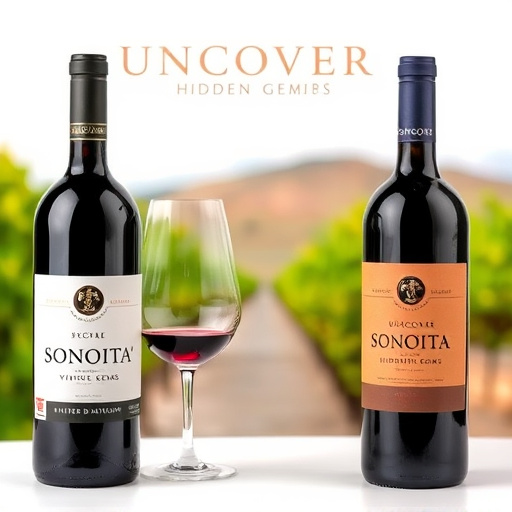
The vineyards in Sonoita, AZ naturally thrive at high elevations, producing unique wines with complex flavors due to slower grape ripening from cooler temperatures. Microclimates and varied soil types foster diverse grape varieties, leading to distinctive terroirs. Winemakers craft a range of styles, showcasing the region's nuanced flavors. Exploring these vineyards offers an educational wine experience with exceptional balance, aroma complexity, and sustainable practices.
High elevation wines from Sonoita, Arizona, have garnered increasing global attention for their unique character. The region’s vineyards in sonoita az naturally thrive at elevations exceeding 4000 feet, presenting a distinct challenge and opportunity for winemakers. This article delves into the art of comparing high-elevation wines across neighboring estates, exploring how microclimates and soil variations contribute to stylistic differences. By examining these factors, we gain valuable insights into the nuances that define Sonoita’s diverse wine portfolio, providing a comprehensive guide for connoisseurs and enthusiasts alike.
- Unveiling the Unique Flavors of Sonoita's High-Elevation Wines
- A Comparative Journey: Neighboring Estates in Sonoita, AZ
- The Natural Advantage: Vineyards in Sonoita and Their Impact on Wine Quality
Unveiling the Unique Flavors of Sonoita's High-Elevation Wines
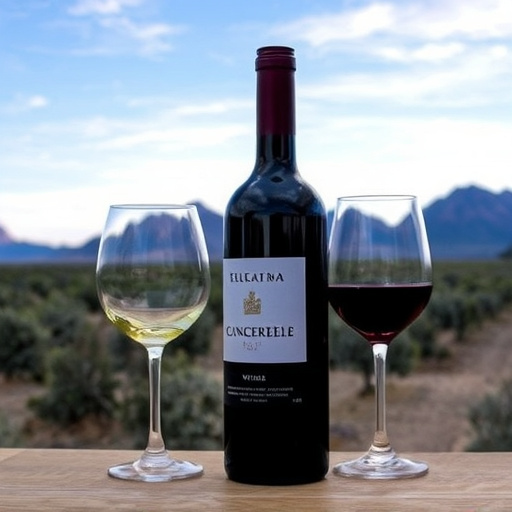
The high-elevation vineyards in Sonoita, Arizona, have emerged as a niche yet remarkable wine-producing region, boasting unique characteristics that set their wines apart from their lower-altitude counterparts. With an average elevation of over 4,000 feet above sea level, these mountainous estates present a challenging yet rewarding environment for grape cultivation. This verticality has a profound impact on the flavor profiles and aromatic complexity of the resulting wines, making them a subject of interest for both wine enthusiasts and sommeliers.
The cooler temperatures experienced at such heights slow down the ripening process, allowing grapes to accumulate a higher concentration of sugars and acids while developing complex flavors. This gradual maturity translates into wines with refined structures and distinctive terroirs. For instance, the Cabernet Sauvignons from Sonoita’s high-elevation vineyards often exhibit notes of blackcurrant, tobacco, and cedar, accompanied by a refreshing acidity that cuts through the palate. Similarly, Zinfandels from these areas showcase rich fruit flavors, such as ripe raspberries and blackberries, balanced by a lively tanginess. The distinctive mineral notes, often described as “stoney” or “earthy,” are another hallmark of Sonoita’s high-altitude wines, attributed to the unique soil compositions found in these vineyards.
When comparing wines from neighboring estates, one notices subtle yet significant differences in style and character. Some producers embrace a more traditional approach, focusing on varietal purity and the expression of grape heritage. Others push boundaries, experimenting with unconventional aging techniques or blending strategies to create distinctive, signature styles. For wine lovers, exploring these diverse offerings provides an opportunity to uncover hidden gems and appreciate the nuanced flavors that only these specific vineyards can offer. By comparing notes and experiences, connoisseurs can gain a deeper understanding of the unique terroir of Sonoita, fostering a more profound connection with this remarkable wine-producing region.
A Comparative Journey: Neighboring Estates in Sonoita, AZ
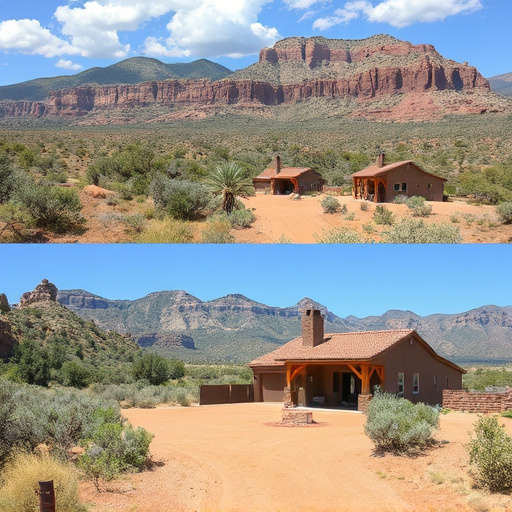
The vineyards in Sonoita, AZ, nestled high in the Sonoran Desert, have gained recognition for their unique terroir, offering a distinct flavor profile to their wines compared to their low-elevation counterparts. This article takes a comparative journey through neighboring estates in Sonoita, exploring the nuances that set these high-altitude vineyards apart.
Sonoita’s microclimates and soil types vary significantly from estate to estate, providing a diverse range of conditions for grape cultivation. For instance, some vineyards sit at elevations exceeding 4,000 feet, characterized by warmer days and cooler nights, fostering the growth of diverse grape varieties like Grenache and Mourvèdre. In contrast, lower-lying estates may benefit from more consistent temperatures, favoring traditional varietals such as Cabernet Sauvignon and Merlot. Expert winemakers in Sonoita embrace these variations, meticulously crafting wines that reflect their specific vineyard’s personality.
A sensory exploration reveals how high elevation influences the taste and aroma of wines. The cooler temperatures slow down the ripening process, allowing for a slower accumulation of sugars and a more gradual development of flavors. This results in balanced, complex wines with vibrant acidity and nuanced aromas. For example, a 2021 vintage from an estate at 5,000 feet demonstrated notes of cherry, spice, and a hint of herbalism, showcasing the distinct character of high-altitude grapes. By comparing wines from neighboring estates, one can appreciate the subtle yet significant differences that these varying terroirs impart.
When visiting Sonoita, wine enthusiasts should not miss the opportunity to engage in vertical tastings, comparing wines from different vintages within a single vineyard. This practice reveals how year-to-year climate variations impact the final product. Additionally, engaging with winemakers allows for insights into their unique approaches and the challenges they face in cultivating grapes at these elevations. For those passionate about wine, this comparative journey through Sonoita’s vineyards offers an educational and rewarding experience.
The Natural Advantage: Vineyards in Sonoita and Their Impact on Wine Quality
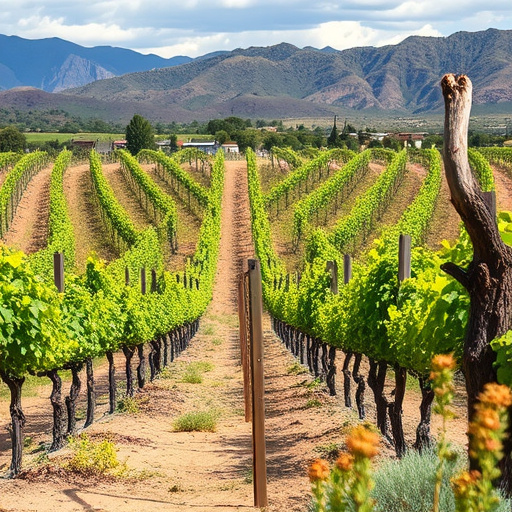
The vineyards in Sonoita, Arizona, naturally thrive at high elevations, providing a unique advantage for wine production. This region’s terroir is characterized by rocky, well-drained soils and a climate that offers distinct seasonal variations, all of which contribute significantly to the quality and character of its wines. Unlike lower-elevation areas, the cool temperatures in Sonoita slow down the ripening process, allowing grapes to develop complex flavors and higher acidity levels. This natural advantage results in wines with exceptional balance and longevity.
Sonoita’s neighboring estates further highlight this point by showcasing how varying vineyard locations within the region can create diverse wine profiles. For instance, some estates sit on sun-drenched slopes, providing optimal exposure to sunlight, while others are nestled in slightly cooler, higher-altitude areas. These microclimates enable winemakers to experiment with different grape varieties and styles, ensuring a wide range of offerings for connoisseurs. Data from recent vintages indicates that high-elevation wines consistently exhibit superior aroma complexity and a refreshing crispness on the palate, setting them apart from their lower-elevation counterparts.
The impact of these vineyards in Sonoita extends beyond flavor profiles; they also contribute to the overall sustainability of the region’s wine industry. The cooler temperatures slow down grape growth, reducing the risk of diseases and pests that can be more prevalent in warmer climates. This natural resilience is a significant advantage for winemakers, ensuring high-quality grapes year after year without excessive reliance on chemicals or intensive interventions. As such, exploring wines from Sonoita offers not only a delightful sensory experience but also supports the region’s commitment to sustainable viticulture.
The comparative analysis of high-elevation wines from neighboring Sonoita estates reveals a distinct advantage held by the vineyards in Sonoita, AZ. Each estate showcases unique flavors attributed to the region’s specific microclimates and soil compositions. This study underscores the significant impact of local terroir on wine quality, offering a nuanced understanding of Sonoita’s diverse and dynamic wine production capabilities. Key insights include the importance of elevation, sun exposure, and natural drainage in shaping wine characteristics. By delving into these findings, winemakers can refine their practices, enhance wine profiles, and contribute to the region’s renowned reputation for exceptional high-altitude wines.