
The vineyards in Sonoita, AZ prosper due to mineral-rich soils derived from volcanic activity, offering diverse textures and compositions ideal for various grape cultivars. Local experts analyze soil types, enabling winemakers to select suitable grapes for each unique terroir, enhancing flavors and aromas. Organic viticulture practices, such as cover cropping and water management innovations, ensure high-quality, organic wines while preserving the natural landscape. This Sonoran Desert region is renowned for its sustainable vineyard methods, contributing to its reputation as a premier wine destination for exceptional, naturally produced wines.
The vibrant wine industry continues to evolve, with ever-increasing demand for unique, terroir-driven expressions. Among the most intriguing regions emerging is Sonoita, Arizona, renowned for its mineral-rich soils and distinct climate that foster exceptional vineyard growth. This article delves into the art of sampling organic pours from this remarkable area, providing an in-depth exploration of the natural processes and innovative practices shaping its wine culture. By examining the unique characteristics of Sonoita’s vineyards, we uncover a symphony of flavors that reflect the region’s terroir, offering a genuine taste of the Southwest.
- Unveiling Sonoita's Mineral-Rich Soil Secrets: The Foundation for Organic Viticulture
- Exploring Naturally Grown Wines: A Deep Dive into Sonoita's Unique Vineyard Practices
Unveiling Sonoita's Mineral-Rich Soil Secrets: The Foundation for Organic Viticulture
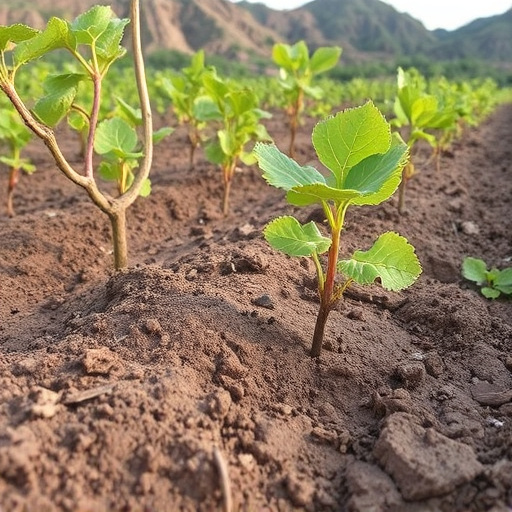
Sonoita’s mineral-rich soils are a cornerstone of its thriving organic viticulture scene, setting the stage for exceptional wine production. The region’s diverse geological history has endowed its vineyards in Sonoita, AZ with an intricate mix of minerals, contributing to the unique character and quality of the grapes grown here. For instance, volcanic activity centuries ago deposited fertile layers of ash and lava, enriching the soil with essential elements like potassium and magnesium. Over time, these minerals have permeated the soil structure, benefiting the vineyards’ root systems and enhancing grape composition.
Soil analysis conducted by local agricultural experts reveals that Sonoita’s soils vary from rich loams to gravelly textures, each offering specific advantages for different grape varieties. This diversity allows winemakers to carefully select cultivars suited to their terroir, ensuring optimal expression of flavor and aroma. For example, the mineral-dense soils near the mountains support robust reds like Syrah and Grenache, while the lighter, more porous soils in the valley floors are ideal for cultivating delicate white grapes such as Viognier and Sauvignon Blanc.
Understanding and leveraging these soil secrets is crucial for organic farmers practicing sustainable viticulture. By employing techniques like cover cropping to improve soil fertility, compost application to enhance organic matter content, and careful irrigation management to prevent water stress, winemakers in Sonoita AZ are cultivating grapes of exceptional quality. This commitment to organic methods not only ensures the region’s reputation for producing pure, unadulterated wines but also fosters a harmonious relationship between the vineyards and the surrounding natural landscape.
Exploring Naturally Grown Wines: A Deep Dive into Sonoita's Unique Vineyard Practices
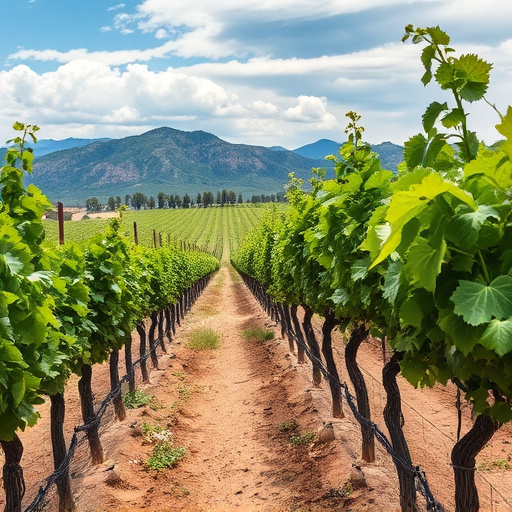
The vineyards in Sonoita, AZ, naturally thrive in a unique ecosystem characterized by mineral-rich soils and a diverse microclimate, resulting in a remarkable array of organic wine offerings. This region, nestled in the heart of Arizona’s Sonoran Desert, has emerged as a notable wine destination for its commitment to sustainable and natural vineyard practices. The distinct terroir of Sonoita lends itself to a wide variety of grape varieties, allowing winemakers to explore a diverse range of flavors and styles.
One of the key aspects that sets Sonoita apart is the extensive use of mineral-rich soils, which play a pivotal role in shaping the character of the wines. These soils, often containing high levels of gypsum and other minerals, contribute to the development of complex aromatics and balanced acidity in the grapes. As a result, the organic wines from Sonoita are renowned for their vibrant acidity, intense fruit flavors, and intricate mineral notes. For instance, the region’s signature grape varieties, such as Grenache, Mourvèdre, and Syrah, flourish in these conditions, producing wines that exhibit distinct regional characteristics.
To ensure the integrity of their products, many Sonoita vineyards employ meticulous organic farming practices, avoiding synthetic chemicals and focusing on holistic techniques. This commitment to natural viticulture extends to sustainable water management, where some winemakers implement innovative strategies like drip irrigation and rainwater harvesting to minimize water usage. By embracing these practices, the vineyards in Sonoita not only produce exceptional organic wines but also contribute to the preservation of the region’s unique terroir for future generations.
Through a deep exploration of Sonoita’s mineral-rich soils and unique vineyard practices, this article has unveiled the secrets behind the region’s naturally grown wines. The key insights reveal that the vineyards in Sonoita, AZ, thrive due to the robust soil composition, enabling producers to craft distinctive organic pours. Understanding the foundational role of these mineral-rich soils is crucial for viticulturists seeking to emulate success in sustainable wine production. By adopting natural practices and harnessing the power of local terroir, Sonoita stands as a premier destination for organic viticulture, offering valuable lessons and a blueprint for future vineyard management worldwide.