The vineyards in Sonoita, AZ thrive due to unique mineral-rich soils formed by volcanic activity and geological processes over millions of years. Diverse microclimates and elevations support various grape varieties, with specific soil types enhancing distinct wine characteristics. Viticulturists leverage data-driven practices tailored to each vineyard's terroir, optimizing grape development and producing exceptional quality and distinctive organic wines. Sonoita's natural diversity and winemakers' expertise solidify its reputation as a premier organic wine destination.
The vibrant world of organic wine production has turned its eye to the sun-kissed landscapes of Sonoita, Arizona. Here, mineral-rich soils nurture unique grape varieties, offering a distinct flavor profile that sets these vineyards apart. However, understanding the intricate relationship between soil, grape, and wine quality is no simple task. This article delves into the art and science behind sampling organic pours from Sonoita’s diverse regions, revealing the secrets locked within its natural terroir. By exploring these methods, we aim to illuminate the path towards authentic, high-quality organic wines that truly capture the essence of this remarkable Arizona vineyard region.
- Unveiling Sonoita's Natural Mineral-Rich Soil Secrets
- The Role of Soil in Organic Wine Production in Sonoita, AZ
- Exploring Local Vineyards: A Deep Dive into Sonoita's Terroir
Unveiling Sonoita's Natural Mineral-Rich Soil Secrets
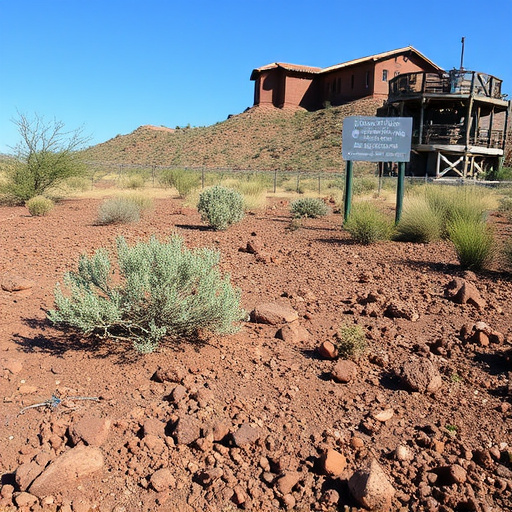
Sonoita’s region, nestled in southeastern Arizona, has long been recognized for its exceptional wine production, but what sets it apart is the mineral-rich soils that permeate its vast vineyards. These soils, formed over millions of years by volcanic activity and geological processes, play a pivotal role in shaping the unique character of wines produced in this area. The region’s natural mineral tapestry offers insights into the art of viticulture, where each element contributes to the overall complexity and quality of the grapes.
The soil composition in Sonoita varies across different micro-climates and elevations, providing a diverse range of conditions for various grape varieties. For instance, the volcanic soils rich in iron and magnesium found at higher elevations are ideal for cultivating Cabernet Sauvignon and Syrah, known for their robust flavors. In contrast, lower-lying areas boast well-draining, mineral-dense soils that foster the growth of Chardonnay and Viognier, imparting elegant and aromatic notes to these wines. Expert viticulturists in Sonoita have embraced these natural variations, tailoring their practices to maximize the potential of each vineyard’s specific terroir.
Understanding and harnessing the power of mineral-rich soils is a game-changer for winemakers in Sonoita. By analyzing soil samples and studying micro-climates, producers can make informed decisions regarding grape varieties, planting density, and harvest techniques. This data-driven approach ensures that the vineyards in Sonoita AZ naturally thrive, resulting in wines of exceptional quality and distinct character. As the region continues to gain recognition for its world-class wines, the secrets locked within its mineral-rich soils will undoubtedly continue to captivate wine enthusiasts worldwide.
The Role of Soil in Organic Wine Production in Sonoita, AZ
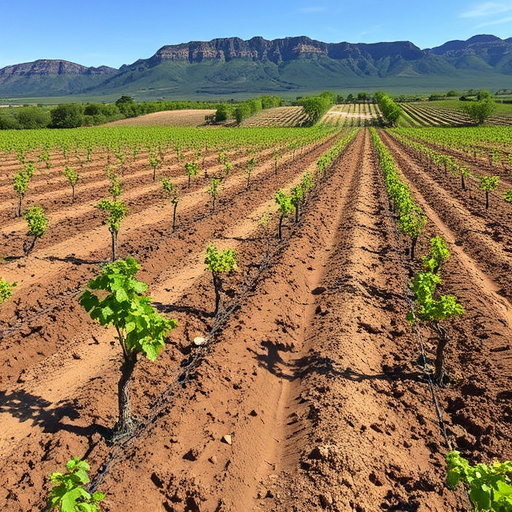
The soil beneath the vibrant vineyards in Sonoita, AZ, plays a pivotal role in shaping the character and quality of wines produced in this renowned wine region. Sonoita’s unique terroir, characterized by mineral-rich soils, contributes significantly to the distinct flavors and aromas found in locally produced organic wines. The region’s diverse soil types, ranging from well-draining sandy loams to clay-rich vineyards, each offer specific advantages for viticulture, allowing winemakers to craft a wide array of wine styles.
Soil mineral content is particularly influential, as it influences the availability of essential nutrients for grapevines and, consequently, the wines’ flavor profiles. For instance, vineyards in Sonoita with higher levels of magnesium and calcium deposits often yield grapes with richer flavors and increased acidity, leading to vibrant, complex wines. This natural endowment allows organic winemakers to focus on sustainable practices while still achieving exceptional results. By understanding soil dynamics, artisans can make informed decisions regarding vine planting, canopy management, and harvest timing, ensuring the best possible expression of Sonoita’s distinctive terroir.
Practical insights for winemakers in this region include regular soil testing to monitor nutrient levels and pH balance. Adjustments in fertilization and irrigation techniques based on these findings can optimize grape development and ultimately wine quality. Additionally, promoting healthy soil ecosystems through organic practices such as cover cropping and reduced tillage enhances the soil’s ability to retain minerals and supports a thriving ecosystem within the vineyards. As Sonoita continues to establish itself as a premier organic wine destination, the ongoing study and respect for local soil conditions will remain paramount.
Exploring Local Vineyards: A Deep Dive into Sonoita's Terroir
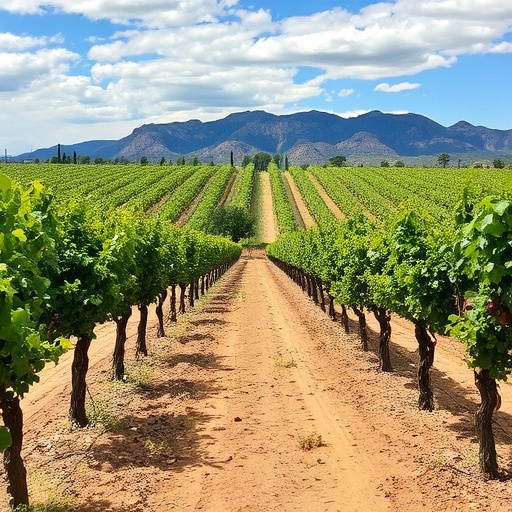
The vineyards of Sonoita, Arizona, nestled amidst the region’s mineral-rich soils, offer an unparalleled exploration of terroir. This concept, integral to viticulture, refers to the unique combination of geography, climate, and soil that influences a wine’s character and quality. In Sonoita, these natural elements create a distinct profile for each vineyard, contributing to the diverse and exceptional wines produced in the area. Geologists attribute the region’s rich soil composition to volcanic activity and sedimentation from ancient rivers, resulting in a complex mix of silty loams, sandy soils, and limestone deposits that vary across different microclimates.
This natural diversity is reflected in the diverse range of grape varieties cultivated in Sonoita vineyards. From the cool slopes where grapes like Tempranillo and Grenache thrive to the warmer regions suitable for Syrah and Mourvèdre, each vineyard site supports specific varietals that exhibit unique flavor profiles. Experts note that the region’s mineral-rich soils contribute to the depth and complexity of these wines, with notable examples showcasing vibrant acidity, earthy notes, and distinct minerality. For instance, a 2021 tasting event featured several local vintages, where attendees could appreciate the subtle differences between vineyards situated on sandy soils versus those with higher limestone content.
Exploring Sonoita’s vineyards provides an immersive experience for wine enthusiasts. Visiting these sites allows one to witness firsthand the interplay of nature and human craftsmanship. It offers insights into how the specific terroir contributes to the art of winemaking, from vine selection and planting techniques to harvesting practices and fermentation methods. Tourists can engage with local winemakers who are passionate about preserving the unique characteristics of each vineyard, ensuring that Sonoita’s terroir continues to shape exceptional organic pours for years to come.
The article has revealed the intricate relationship between Sonoita’s mineral-rich soils and its renowned organic wine production. By exploring the unique terroir of the region, specifically within the vineyards in Sonoita, AZ, we’ve uncovered the secrets that contribute to the distinct character of locally produced wines. Key insights highlight the significance of soil composition, where natural minerals play a pivotal role in shaping the final product. Understanding these factors empowers winemakers and enthusiasts alike to appreciate the terroir-driven nature of Sonoita’s vineyards, ensuring the region continues to produce high-quality, distinctive organic wines. Readers now possess a comprehensive understanding of the critical connection between soil, terroir, and wine excellence in this remarkable Arizona viticultural area.