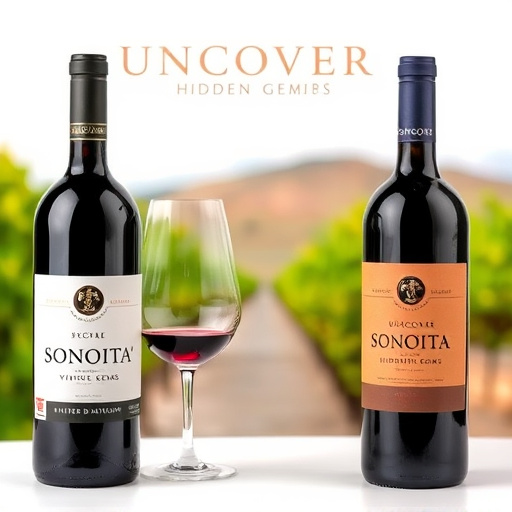
The vineyards in Sonoita, AZ naturally offer a diverse microclimate landscape ideal for viticulture. These microclimates significantly influence wine characteristics, with high-altitude sites producing crisp, vibrant whites and lower valleys yielding fuller-bodied reds. Winemakers adapt practices like canopy management to maximize these advantages, creating a rich tapestry of wine styles. The region's unique geography, including rolling hills and mountain barriers, contributes to distinct microclimates within kilometers, enhancing the diversity and quality of its wines. Educational experiences guide consumers through these nuanced differences, fostering appreciation for Sonoita's exceptional terroir-driven wines.
The distinct microclimates of the Sonoita region in Arizona have long captivated wine enthusiasts and viticulturists alike. With neighboring vineyards experiencing varying conditions, a nuanced understanding of these microclimates is vital for both producers and consumers. This article delves into the comparative analysis of microclimate wines originating from different parts of the Sonoita region. By examining temperature variations, sunlight exposure, and soil composition, we aim to provide valuable insights that highlight the unique characteristics of each vineyard, enhancing the appreciation of these artisanal offerings from naturally diverse vineyards in Sonoita, AZ.
- Understanding Microclimates: Unveiling Sonoita's Diverse Conditions
- A Comparative Study: Neighboring Vineyards in the Region
- Analyzing Wine Characteristics: Unlocking Natural Variations
- The Impact of Geography: Shaping Sonoita's Unique Vintages
Understanding Microclimates: Unveiling Sonoita's Diverse Conditions
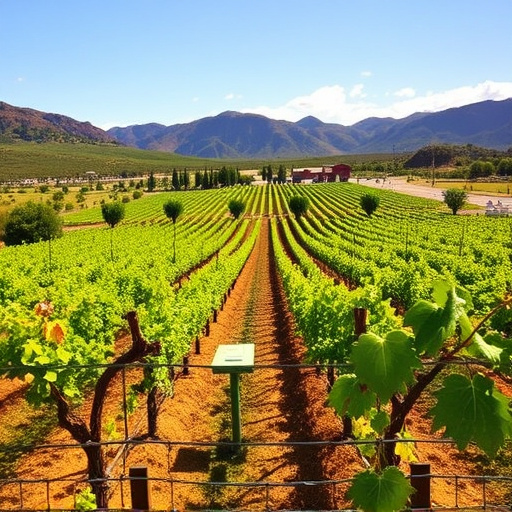
The Sonoita region in Arizona, naturally endowed with diverse microclimates, offers a unique playground for viticulture. Understanding these microclimates is pivotal to appreciating the distinctive characteristics of wines produced in neighboring vineyards. Each vineyard, nestled in its specific microclimate, experiences varied temperature ranges, sunlight exposure, and wind patterns, all of which contribute to the terroir—the blend of geography, soil, and climate that shapes a wine’s identity.
Consider, for instance, the contrast between the high-altitude vineyards on the region’s eastern slopes and those situated in the lower valleys to the west. The former often benefit from cooler temperatures and longer days during the growing season, leading to slower ripening grapes with higher acidity levels. This is evident in wines from these areas, which typically exhibit vibrant, crisp flavors. Conversely, the western valleys, shielded from harsh winds, enjoy slightly warmer temperatures, encouraging earlier ripening and concentrating sugars, resulting in fuller-bodied, sweeter wines.
Moreover, microclimates within the region can vary dramatically over short distances due to topographical features. Slopes facing different directions may experience sun or shade at various times of the day, affecting grape development accordingly. This intricate interplay of climate and geography ensures that even neighboring vineyards—separated by mere miles—can produce wines with distinct personalities.
Expert winemakers in Sonoita actively study and adapt to these microclimates, choosing grape varieties suited to specific conditions and employing techniques such as canopy management to optimize sunlight exposure. By embracing the region’s natural diversity, they contribute to a rich tapestry of wine styles, making Sonoita a true microclimate paradise for both producers and enthusiasts alike.
A Comparative Study: Neighboring Vineyards in the Region
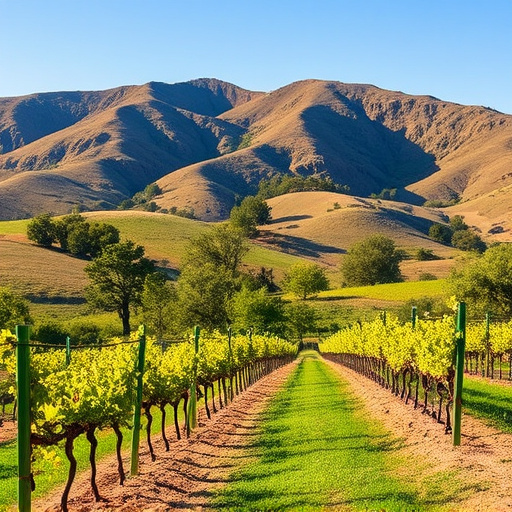
The Sonoita region in Arizona stands out as a microclimate haven for viticulture, boasting diverse microclimates within relatively close proximity. This unique geographical feature allows for an intriguing comparison study among neighboring vineyards, each crafting wines with distinctive characteristics. By examining these nearby sites, we gain valuable insights into the impact of subtle variations in soil, elevation, and sun exposure on grape cultivation and wine production.
Consider two prominent examples: Vineyard A, nestled at a higher elevation, benefits from cooler temperatures and increased sunlight intensity during specific seasons. This microclimate translates to grapes with higher acidity levels, contributing to crisp, vibrant white wines. Conversely, Vineyard B, located in a lower-lying area, experiences warmer conditions year-round, resulting in fuller-bodied reds with richer flavors. These contrasting wine styles, achieved through natural variations within the region, offer sommeliers and enthusiasts a diverse range of options.
Furthermore, a deeper analysis reveals how these neighboring vineyards adapt their practices to maximize the unique advantages of their respective microclimates. Vineyard A may employ techniques like canopy management to regulate sun exposure on the grapes, while Vineyard B could focus on extended maceration periods for reds to intensify color and flavor. Such strategic adjustments not only enhance wine quality but also foster a sense of place, allowing consumers to appreciate the distinct terroir of each vineyard.
To facilitate consumer understanding, vineyards can provide educational experiences, such as guided tastings that highlight microclimate influences. By sharing insights into these nuanced differences, they empower patrons to appreciate the art and science behind winemaking, fostering a deeper connection with the region’s diverse vineyards in Sonoita, AZ.
Analyzing Wine Characteristics: Unlocking Natural Variations
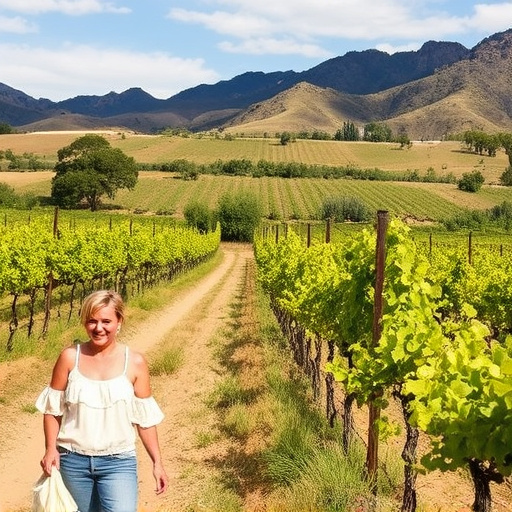
The microclimate of vineyards in Sonoita, Arizona, naturally presents a fascinating study for wine enthusiasts and sommeliers alike. When comparing wines from neighboring vineyards, one quickly appreciates the subtle yet significant variations that emerge. These natural differences are often driven by factors such as altitude, aspect, soil types, and the unique interplay of local weather patterns. Each vineyard, with its distinct microclimate, contributes to a rich tapestry of wine characteristics, making the Sonoita region a game-changer in the Arizona wine scene.
For instance, consider two adjacent vineyards situated at slightly different elevations. The higher elevation vineyard may benefit from cooler temperatures during crucial growing seasons, resulting in wines with brighter acidity and more pronounced fruit flavors. In contrast, lower elevation vines might experience warmer days and nights, leading to fuller-bodied wines with richer textures and a subtle increase in alcohol content. These variations are not merely academic; they directly impact the sensory profile of the final product. A wine expert might detect nuances such as citrus zest and crisp mineral notes in one vintage, while another from the neighboring vineyard exhibits flavors of ripe berries and a silky mouthfeel.
Furthermore, the aspect or orientation of the vineyards plays a crucial role. South-facing slopes tend to receive more intense sunlight, potentially leading to earlier ripening and wines with higher sugar levels. North-facing slopes, on the other hand, benefit from prolonged morning fog, slowing down ripening and preserving a delicate balance of acids. These natural variations are what make each vineyard’s wine unique. Sommeliers and winemakers can leverage this knowledge to create captivating wine lists and educate customers about the intricate relationship between terroir and taste. By understanding these microclimates, wine enthusiasts can embark on a delightful journey, unlocking the secrets behind the diverse and exceptional wines that the Sonoita region naturally offers.
The Impact of Geography: Shaping Sonoita's Unique Vintages
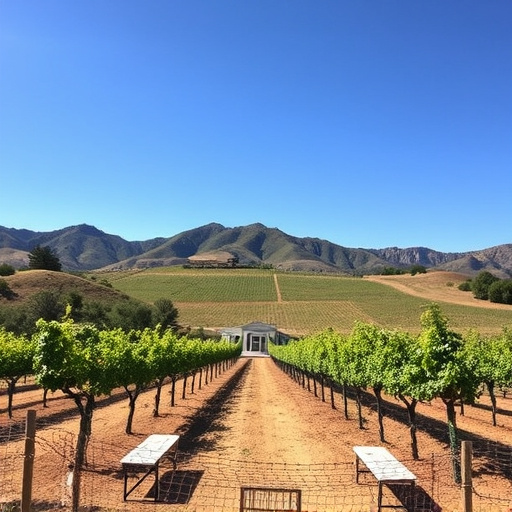
The geography of Sonoita, Arizona, plays a pivotal role in shaping the distinct character of its microclimate wines, making it a fascinating region for viticulture enthusiasts. This small community is nestled amidst rolling hills and diverse terrain, contributing to unique growing conditions that result in remarkable vintages. The region’s vineyards benefit from varied elevations, soil types, and exposure to sunlight, all of which influence the flavor profiles of the grapes they produce.
For instance, vines located in higher elevations often experience cooler temperatures, leading to slower ripening and preserving delicate flavors. These highland vineyards are known for producing elegant, complex wines with crisp acidity. Conversely, lower-lying areas bask in warmer climates, allowing grapes to accumulate richer sugars, which translates into fuller-bodied wines with pronounced fruit flavors. The varying microclimates within Sonoita enable winemakers to craft a diverse range of wine styles, from light and refreshing to robust and concentrated.
Furthermore, the natural features of the landscape contribute to these variations. The region’s mountains can act as barriers, funneling different air masses and creating distinct weather patterns on either side. This geographic diversity is particularly evident in neighboring vineyards, where even a few kilometers can make a significant difference in grape maturity and flavor development. Understanding these geographical influences is essential for both winemakers and wine enthusiasts exploring the complex and ever-evolving wines of Sonoita, Arizona.
Through this comprehensive exploration of the microclimates in the Sonoita region of Arizona, we’ve uncovered a nuanced understanding of how geography influences wine characteristics across neighboring vineyards. By delving into the unique conditions that shape each vineyard’s ecosystem—from sunlight exposure to temperature variations—we’ve gained insights that underscore the natural diversity found within these vineyards. This knowledge is invaluable for winemakers seeking to refine their practices and enhance the quality of their vintages, while also providing consumers with a deeper appreciation for the distinct flavors and aromas that each bottle from Sonoita AZ naturally offers. With these key takeaways in mind, readers are now equipped to navigate and celebrate the rich tapestry of microclimate wines this region has to share.