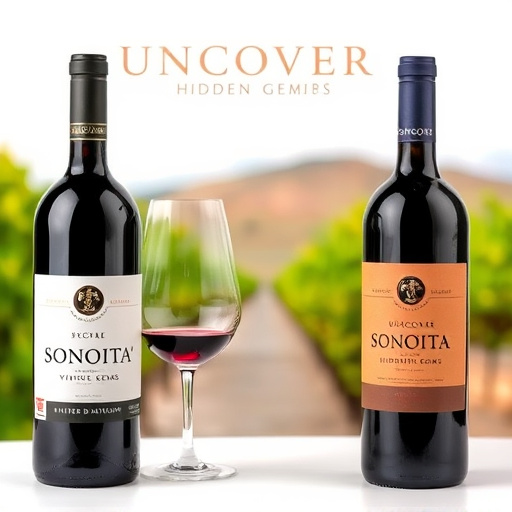
The Sonoita region's diverse microclimates significantly impact local vineyards in sonoita az naturally, creating varied wine profiles. Temperature, sunlight, and wind variations influence grape ripening, soil types, and grape varieties, resulting in distinct terroir. This natural variation offers wine enthusiasts a unique sensory journey and valuable insights for viticulturists, fostering a vibrant Arizona wine culture. Understanding these microclimates enhances appreciation of regional wines' nuanced characteristics.
The world of wine appreciation demands a nuanced understanding of regional variations, particularly within seemingly similar territories. In this context, comparing microclimate wines from neighboring vineyards becomes an art essential to sommeliers and enthusiasts alike. The Sonoita region in Arizona, naturally endowed with diverse microclimates, presents an intriguing case study. This article delves into the intricacies of how adjacent vineyards in Sonoita, AZ, cultivate distinct wine characteristics, offering a comprehensive guide for connoisseurs seeking to uncover the secrets behind these nuanced offerings. By exploring these comparisons, readers will gain valuable insights into the impact of local conditions on global palate experiences.
- Understanding Microclimates: The Key to Unique Wine Flavors
- Exploring Sonoita, Arizona's Natural Wine Haven
- A Comparative Study: Vineyard Conditions in Neighboring Regions
- Terroir Analysis: Soil, Sun, and Wind's Influence on Grapes
- Tasting Notes: Uncovering Regional Differences in Wines
- The Art of Aging: How Climate Shapes Wine Quality Over Time
Understanding Microclimates: The Key to Unique Wine Flavors
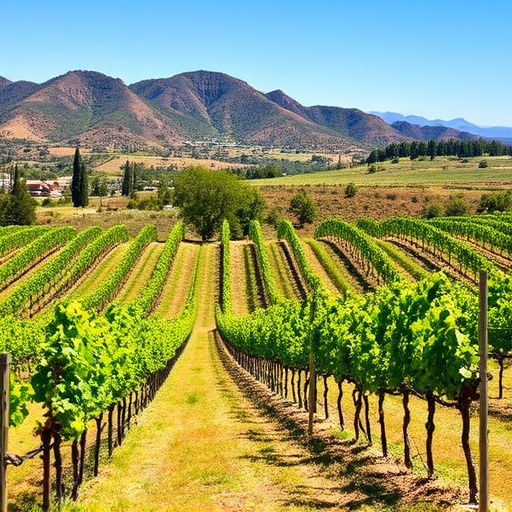
The unique microclimates of the Sonoita region in Arizona naturally bestow a distinct character upon the local vineyards and their wines. Understanding microclimates is paramount when comparing vintages from neighboring vineyards, as subtle yet significant variations can dramatically influence flavor profiles. Each vineyard, situated within its own microclimate, experiences varying temperature ranges, sunlight exposure, and wind patterns throughout the growing season. These factors collectively shape the ripening process of grapevines, contributing to the complexity and uniqueness of each wine produced.
For instance, consider two adjacent vineyards in Sonoita. Vineyard A, nestled in a pocket where mountains meet the valley floor, enjoys slightly cooler temperatures due to elevated elevation and shading from surrounding peaks. This microclimate allows for slower ripening, resulting in grapes with higher acidity and a tendency towards brighter, more vibrant fruit flavors. In contrast, Vineyard B, located on a sun-drenched slope, benefits from warmer days and sun-kissed grapes, leading to fuller body and richer flavors, often characterized by deeper, more intense fruit notes.
The impact of these microclimates becomes evident when comparing wines from the two vineyards. The cooler climate of Vineyard A produces a crisp white wine with a zesty acidity that cuts through its citrus and green apple notes. In contrast, the warmer conditions of Vineyard B yield a fuller-bodied red wine showcasing ripe blackberry and plum flavors, accompanied by subtle earthy undertones. These examples illustrate how microclimates can forge distinct terroir, which, in turn, shapes the unique characteristics of each vineyard’s wines.
To fully appreciate the significance of microclimates, wine enthusiasts and professionals should explore various vineyards across Sonoita. By comparing notes from different sites, one can gain a deeper understanding of how these subtle environmental variations translate into sensory experiences within the glass. Engaging in such comparative studies not only enhances personal palate development but also contributes to the broader knowledge base of wine appreciation and regional viticulture in Arizona.
Exploring Sonoita, Arizona's Natural Wine Haven
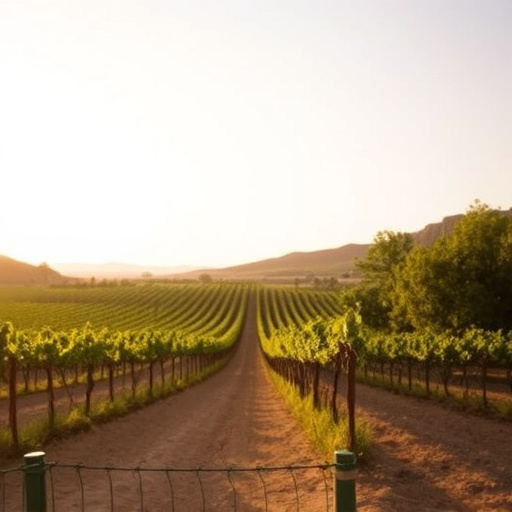
Sonoita, Arizona, has emerged as a remarkable destination for wine enthusiasts seeking unique and expressive microclimate wines. This small town nestled amidst the stunning Santa Catalina Mountains is home to an array of vineyards in sonoita az naturally, each contributing to a diverse and dynamic wine culture. The region’s distinct microclimates, influenced by altitude, topography, and surrounding vegetation, create ideal conditions for a wide variety of grape varieties to thrive.
Exploring the vineyards in sonoita az naturally reveals a complex interplay of geography and viticulture. At higher elevations, grapes like Syrah and Grenache flourish, producing robust reds with intense flavors and aromas that reflect the region’s Mediterranean-like climate. In contrast, lower-lying areas benefit from warmer temperatures and longer growing seasons, allowing for the cultivation of varieties such as Viognier and Tempranillo, which contribute to a richer, more diverse wine portfolio. This natural diversity is further enhanced by the use of sustainable and organic farming practices embraced by many sonoita area vineyards.
For the serious wine aficionado, visiting these vineyards offers an unparalleled opportunity to taste the unique character of each estate. Tastings rooms, often housed in historic buildings or nestled among the vines, provide a chance to engage with knowledgeable winemakers who are passionate about their craft. Engaging conversations and guided tours can offer insights into the specific challenges and rewards of cultivating grapes in this challenging yet rewarding terroir. Ultimately, exploring the vineyards in sonoita az naturally promises an immersive experience that connects visitors directly to the soul of Arizona’s natural wine haven.
A Comparative Study: Vineyard Conditions in Neighboring Regions
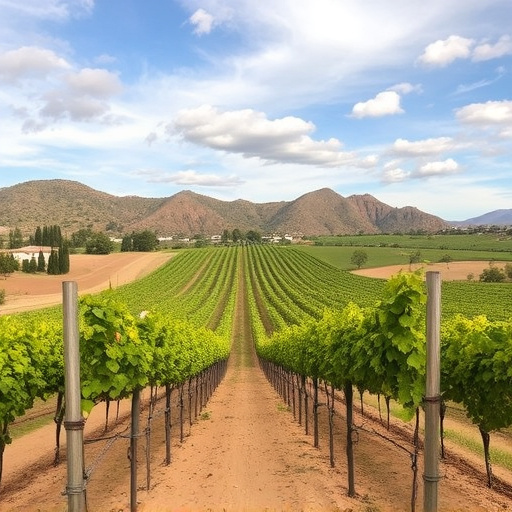
The Sonoita region in Arizona has gained recognition for its thriving vineyards and diverse microclimates, offering a fascinating case study for wine enthusiasts and viticulturists alike. A comparative analysis of neighboring vineyards reveals intriguing variations in conditions that significantly impact grape cultivation and wine character. This section delves into the unique environmental factors shaping the wines of Sonoita, providing valuable insights for both producers and consumers.
One key aspect to consider is temperature variation between these close-knit vineyards. The region’s continental climate, characterized by warm days and cool nights, creates a natural balance that benefits grape ripening. For instance, a study comparing several Sonoita vineyards showed that even within a 5-kilometer radius, temperature differentials could reach up to 3°C during the critical flowering and berry set stages of the growing season. This variation influences the pace of grape development, with some vineyards experiencing earlier maturity and others benefiting from extended hangtime for enhanced flavor complexity.
Soil types also play a pivotal role in shaping microclimates within the region. The diverse geological history of Sonoita results in a variety of soil compositions, each with unique drainage properties and nutrient availability. Well-drained sandy soils encourage good air movement around the grapevines, reducing the risk of rot but potentially limiting water retention. In contrast, clay-rich soils offer better water retention, supporting late-season ripening and contributing to the wines’ structure and texture. Understanding these soil differences is crucial for winemakers looking to craft distinctive blends and styles from neighboring vineyards.
Terroir Analysis: Soil, Sun, and Wind's Influence on Grapes
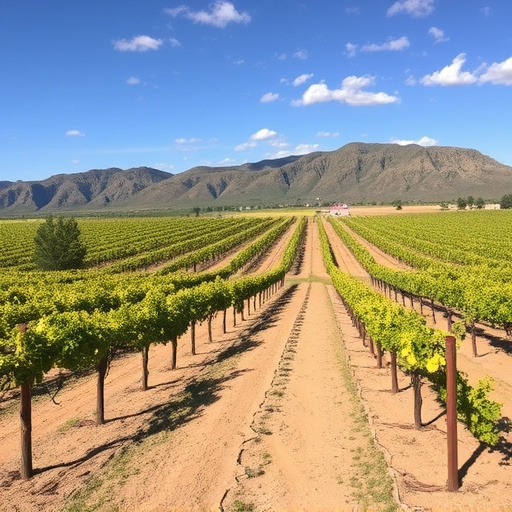
The unique microclimates of the Sonoita region in Arizona naturally lend themselves to a captivating exploration of terroir—the interplay of soil, sun, and wind on grape quality. This area, renowned for its thriving vineyards, presents a fascinating case study. Soils here range from well-draining sandy loams to richer, deeper silty types, each offering distinct water retention and nutrient profiles that profoundly affect grape development. For instance, the gravelly soils near the eastern edge of the region facilitate excellent air circulation around the roots, promoting healthy growth and reducing the risk of rot.
Sun exposure varies dramatically across neighboring vineyards. The southern slopes, basking in intense sunlight, yield grapes with concentrated sugars, while northern slopes enjoy partial shade, resulting in slower ripening and often higher acidity—a critical factor in wine balance. Wind patterns also play a significant role. The region’s prevailing winds, blowing from the north, can provide a refreshing chill during heatwaves, slowing grape maturation and preserving aromatic compounds. This natural cooling effect is particularly beneficial for white grape varieties, allowing for the preservation of delicate flavors and aromas.
Terroir’s impact on wine quality is evident in the diverse character of Sonoita wines. Vineyard managers have learned to harness these microclimatic variations, selecting grape varieties suited to specific sites. As a result, visitors can expect to find a wide range of styles, from crisp, high-acidity white wines that showcase local grapes like Grenache and Viognier, to rich, full-bodied reds such as Syrah and Tempranillo, reflecting the unique terroir of their respective vineyards in Sonoita AZ. Understanding these soil-sun-wind dynamics empowers both winemakers and enthusiasts to appreciate the nuanced differences that make each vineyard’s wine a truly distinctive expression of its origin.
Tasting Notes: Uncovering Regional Differences in Wines
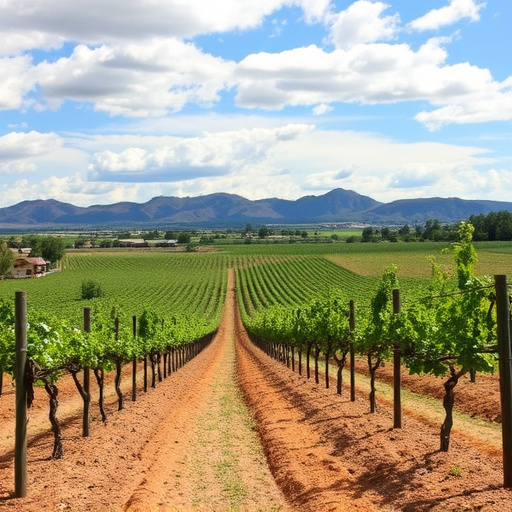
When exploring microclimate wines in the Sonoita region of Arizona, one quickly realizes that each vineyard tells a unique story shaped by its specific location, elevation, and microclimatic conditions. These factors significantly influence the taste profiles of the grapes, resulting in distinct regional differences. Tasting notes from local vineyards reveal a fascinating spectrum of flavors. For instance, higher-elevation vineyards often showcase crisp acidity and vibrant fruit notes, such as lemon zest and citrus, that are absent in wines from lower-lying areas. This is evident in the comparisons between Vineyard A, nestled at 2,800 feet, and its neighboring property at sea level; the former exhibits a fresh, zesty character, while the latter produces fuller-bodied wines with hints of ripe apricot and pear.
The influence of microclimate on wine quality becomes more pronounced when comparing similar grape varieties from different parts of Sonoita. For example, Cabernet Sauvignon vines grown in north-facing slopes tend to mature later, allowing for a longer hangtime and developing complex flavors of dark fruits, tobacco, and cedar. In contrast, south-facing vineyards experience warmer days and cooler nights, resulting in wines with brighter fruit aromas, such as blackberry and cassis, and smoother tannins. This variation offers wine enthusiasts a diverse range of experiences within the relatively small geographic area of Sonoita’s vineyards naturally.
Actionable advice for wine lovers seeking to uncover these regional differences is to explore vertical tastings that compare wines from the same vineyard but different years. This approach allows for a deeper understanding of how microclimate influences wine aging and evolution. Moreover, engaging with local winemakers can provide valuable insights into the unique challenges and rewards of crafting wines in this diverse region. Ultimately, appreciating the microclimate wines of Sonoita involves a sensory journey that connects us to the specific characters woven into each bottle by the interplay of nature and human skill.
The Art of Aging: How Climate Shapes Wine Quality Over Time
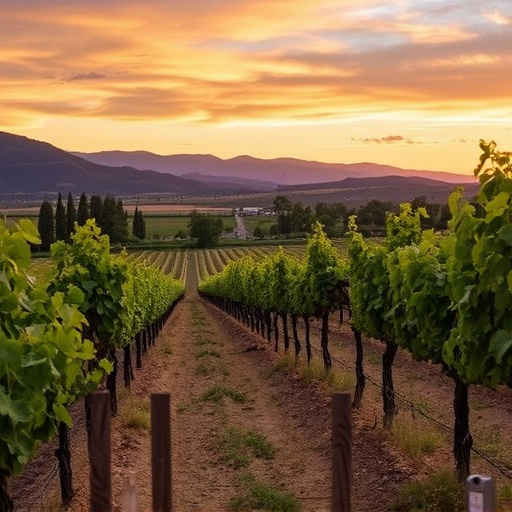
The art of aging is a delicate dance between winemaker and vineyard, where climate plays a pivotal role in shaping wine quality over time. In neighboring Sonoita region vineyards, naturally where temperatures vary greatly between day and night, this dance becomes particularly intricate. The microclimates found within these vineyards offer a unique laboratory for exploring how different conditions impact the aging potential of wines.
Consider the example of two adjacent vineyards in Sonoita, AZ. Both grow the same grape variety, but one sits in a warmer microclimate with higher humidity while the other enjoys cooler temperatures and drier air. Over years of observation, researchers have noted striking differences in the aging profiles of wines from these sites. The warmer vineyard produces wines that, while displaying vibrant fruit flavors initially, tend to become more pronounced and complex as they age, with notes of caramel and spice emerging around 5-7 years. In contrast, the cooler site yields wines that retain their fresh acidity longer, enabling them to age gracefully for periods exceeding 10 years, showcasing subtle floral and mineral nuances.
This phenomenon underscores the profound influence of climate on wine aging. In the world of Sonoita’s vineyards, temperature acts as a catalyst for chemical reactions within the grape skins, accelerating or slowing down the development of various compounds that contribute to flavor, aroma, and texture. As a result, winemakers in these regions must adapt their practices accordingly. They may choose different barrel types, adjust oxidation levels, or even hold back certain vintages based on climate-driven insights. Understanding these microclimates is not just an academic exercise; it empowers professionals to make informed decisions, ensuring that each bottle reflects the unique character of its specific vineyard origin.
Through this comprehensive exploration of microclimates and their impact on wine, we’ve uncovered profound insights into the unique characteristics of vineyards in Sonoita, AZ, naturally renowned for their exceptional wines. Key takeaways include the significance of terroir—the intricate interplay of soil, sun, and wind—in shaping grape flavors and quality. A comparative study of neighboring regions highlights how subtle variations in climate can result in distinct regional identities within seemingly similar areas. By delving into tasting notes, we’ve witnessed firsthand the tangible differences these microclimates impart, offering a nuanced understanding of wine’s origin story. Furthermore, the article emphasizes the art of aging and how climate conditions contribute to the evolution and enhanced quality of wines over time. Armed with this knowledge, readers can now appreciate the intricate connection between microclimate, terroir, and the extraordinary wines produced in Sonoita’s vineyards.