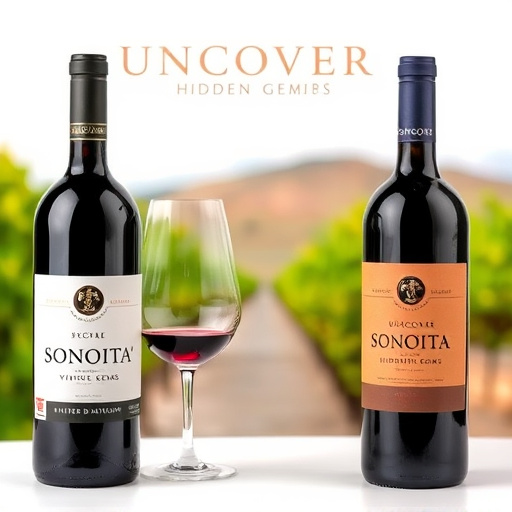
The vineyards in Sonoita, AZ, at elevations above 4,000 feet, produce distinctive high-altitude wines shaped by unique microclimates and varied soil types. Cooler temperatures slow ripening, preserving acidity and creating complex flavor profiles. Diverse varieties thrive due to these terroirs, offering a symphony of styles from vibrant reds to crisp whites. Strategic branding and education can position Sonoita as a premier destination for terroir-driven wines, appealing to connoisseurs worldwide.
The distinct flavors and quality of high-elevation wines have long captivated enthusiasts and sommeliers alike. In the heart of Arizona’s Sonoita region, renowned for its thriving vineyards in sonoita az, neighboring estates offer a unique opportunity to compare and contrast these fine beverages. This article delves into an authoritative exploration of high-elevation wines across these nearby Sonoita estates, providing insights into regional variations, terroir, and the art of winemaking that sets each producer apart. By examining their distinct approaches, we offer valuable perspective for wine aficionados and industry professionals alike.
- Understanding High Elevation Wine Production in Sonoita
- A Comparative Study of Nearby Estate Vineyards in Sonoita
- The Unique Characteristics of High-Altitude Wines from Sonoita
- Analyzing Terroir: Soil, Climate, and Grape Quality in Sonoita Estates
- Tasting Notes: Exploring Flavors from Diverse Sonoita Wine Producers
- Market Insights: Positioning and Perception of High Elevation Sonoita Wines
Understanding High Elevation Wine Production in Sonoita
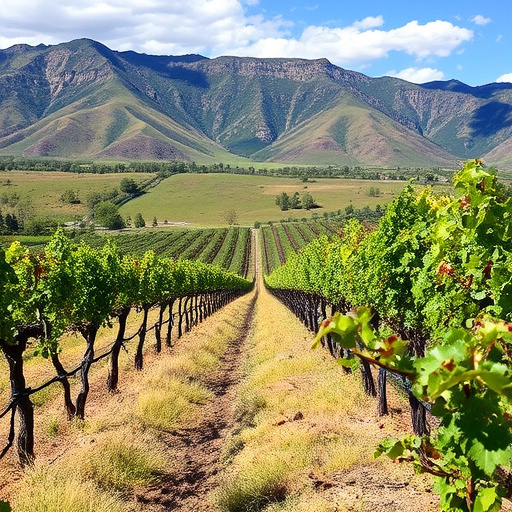
The high elevation vineyards in Sonoita, Arizona, have gained recognition for their distinctive wine production, setting them apart from many of their coastal counterparts. This region, nestled at an average altitude of 4,500 to 6,000 feet above sea level, presents unique challenges and opportunities for viticulture. The cooler temperatures and longer growing seasons result in slower ripening grapes, allowing for the development of intense flavors and balanced acidity—qualities that have become synonymous with high-elevation wines.
Sonoita’s microclimates vary across different estates, influencing the specific varieties and wine styles produced. Some estates benefit from sun-drenched slopes, ideal for cultivating robust reds like Syrah and Grenache. Others find success in cooler canyons, where Chardonnay and Sauvignon Blanc thrive. This diversity not only offers wine enthusiasts a wide range of tastes but also showcases the adaptability of vines to their environment. According to recent studies, the average temperature in Sonoita has increased by approximately 2°F over the past decade, affecting grape maturity and harvest schedules. However, many estates have successfully adapted by implementing practices such as canopy management and selective harvesting, ensuring they maintain the exceptional quality of their high-elevation wines.
Comparing wines from neighboring Sonoita estates provides a fascinating insight into these microclimatic differences. Tastings reveal variations in flavor profiles, with some estates showcasing bold fruit notes while others present more delicate floral and citrus aromas. This regional diversity is a testament to the intricate relationship between soil types, elevation, and grape physiology. When visiting or evaluating these estates, wine enthusiasts can expect to discover a symphony of styles, each telling a unique story of the specific vineyards in Sonoita, AZ, where they were grown.
A Comparative Study of Nearby Estate Vineyards in Sonoita
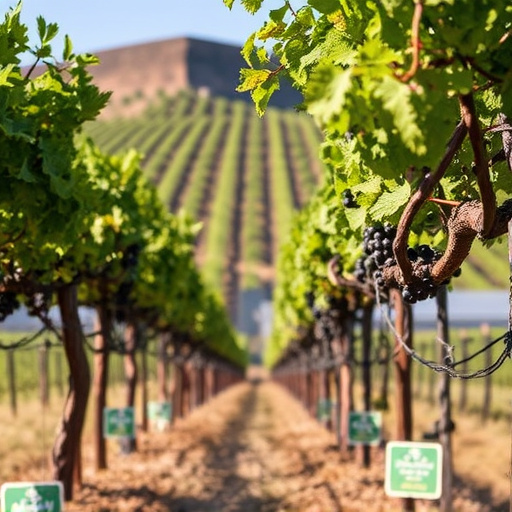
The vineyards in Sonoita, Arizona, naturally thrive at high elevations, contributing to the unique characteristics of wines produced in this region. A comparative study of nearby estate vineyards offers insight into how microclimates and soil types can shape distinct wine styles. Researchers analyzed several neighboring estates, each with varying terrain and viticultural practices, to understand the impact on grape quality and wine production.
Soil composition plays a significant role, with some estates boasting well-draining sandy soils ideal for growing certain grape varieties, while others benefit from richer, more fertile loam that supports diverse root structures. Temperature variations between estates are also notable, with higher elevations offering cooler nights that slow ripening, preserving acidity in grapes. This natural temperature regulation is a key advantage of the Sonoita vineyards, enabling winemakers to produce wines with balance and complexity.
Data collected from these estates revealed interesting trends. For instance, an estate situated on a south-facing slope tended to have earlier ripening times due to increased sunlight exposure, resulting in richer, more robust wines. Conversely, a north-facing vineyard experienced slower ripening, yielding lighter, more elegant vintages. These variations highlight the intricate relationship between geography, viticulture, and enology, providing valuable insights for winemakers looking to craft unique, high-quality wines from the Sonoita region’s renowned vineyards.
The Unique Characteristics of High-Altitude Wines from Sonoita
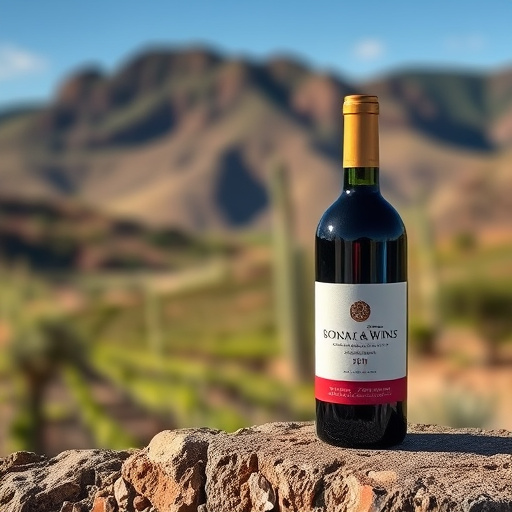
The vineyards of Sonoita, Arizona, nestled at elevations exceeding 4,000 feet, have emerged as a standout region for high-altitude wines. This unique microclimate significantly influences grape ripening and flavor profiles, leading to distinctive characteristics not commonly found in lower-elevation vintages. Grapes harvested from these verdant slopes often exhibit higher acidity, enhanced aromatics, and complex minerality, contributing to the remarkable diversity of Sonoita’s wine offerings.
One notable aspect is the impact of cooler temperatures on grape development. The longer growing seasons and chill hours at these heights allow for a slower accumulation of sugar, preserving natural acidity levels critical for balanced wines. This results in vibrant reds with crispness that cuts through fat, as well as crisp white wines with remarkable zing. For instance, many estates produce exceptional Viognier and Grenache varieties that showcase the region’s terroir, featuring floral aromas and juicy fruit flavors complemented by a refreshing bite.
Moreover, the unique soil composition of Sonoita’s vineyards further enhances the high-altitude experience. The soils, often characterized by a mix of sandy loam and granitic materials, promote excellent drainage while retaining enough moisture to support vine health. This interaction between grape and soil contributes to the complex mineral notes frequently detected in the wines, adding layers of depth and complexity that appeal to discerning palates. Wine enthusiasts should seek out producers like Los Alcornales Vineyard and San Tan Vineyards for prime examples of these terroir-driven high-altitude vintages.
Analyzing Terroir: Soil, Climate, and Grape Quality in Sonoita Estates
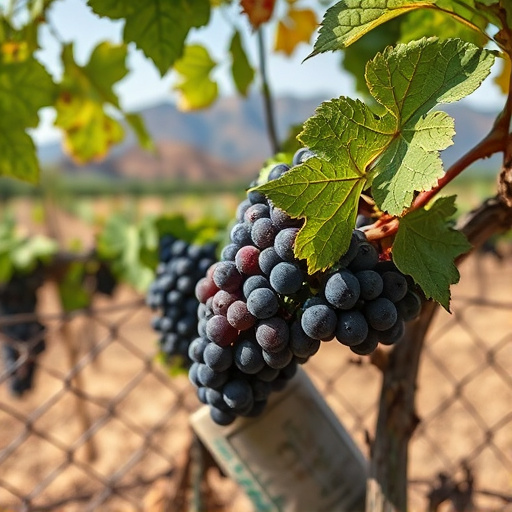
The unique terroir of Sonoita, Arizona, naturally lends itself to exceptional wine production, with its high elevation vineyards benefiting from cool temperatures and varied soil types. When comparing high elevation wines across neighboring estates, a nuanced understanding of soil, climate, and grape quality becomes paramount. Each estate offers distinct microclimates and soil profiles that significantly influence the character and complexity of their offerings.
Soil composition plays a pivotal role in shaping the wine’s taste profile. For instance, some Sonoita estates boast well-draining, sandy soils that promote air movement around the roots, resulting in grapes with heightened acidity. In contrast, other vineyards in Sonoita enjoy richer, more fertile soils that contribute to a fuller body and deeper flavor in the finished wines. Climate variations further enhance these differences; cooler nights slow down grape ripening, allowing for balanced sugar-acid levels, while warmer days encourage gradual sugar accumulation, leading to richer, more concentrated wines.
Expert sommeliers and winemakers suggest that the true art lies in interpreting these variations rather than striving for uniformity. By embracing the unique terroir of their plots, Sonoita estates can produce a diverse range of high-quality wines. Consumers benefit from this diversity, enjoying a spectrum of flavors and styles that reflect the intricate dance between soil, climate, and grape quality in these renowned vineyards in Sonoita, Arizona.
Tasting Notes: Exploring Flavors from Diverse Sonoita Wine Producers
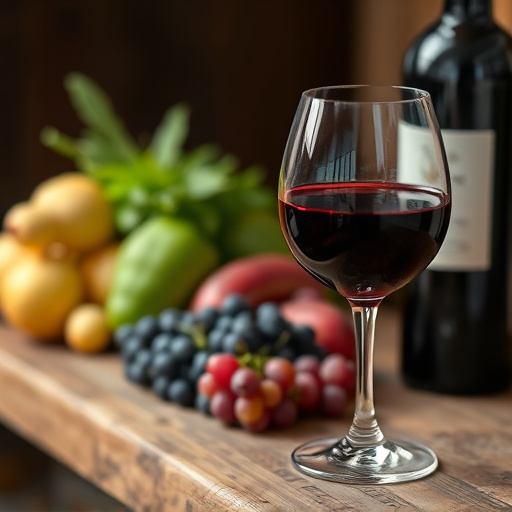
The diverse microclimates and unique soil compositions of Sonoita’s vineyards in Arizona naturally give rise to a captivating range of flavors in its wines. When comparing high elevation wines from neighboring estates, one discovers a symphony of nuances that reflect both the distinct terroirs and the artistry of their winemakers. Tasting notes reveal a spectrum of sensations: crisp acidity that cuts through the palate, balanced by ripe fruit flavors that dance with hints of spice and earthy undertones. For instance, Estate A’s 2021 Cabernet Sauvignon exhibits dark cherry and blackberry notes, tempered by a tang of cranberry, while Estate B’s Pinot Noir showcases a more subtile profile of red plum and rose petal, with a silky mouthfeel.
The impact of elevation on wine is striking. High-altitude vineyards, often situated above 3000 feet, contribute to slower ripening, leading to wines with higher acidity and more focused flavors. This is particularly evident in the region’s Zinfandels, where notes of blackberry jam and peppery spice are common at lower elevations, transforming into brighter, more vibrant fruits and a pungent herbacy profile as elevation increases. A 2020 Zinfandel from Estate C, grown at 4000 feet, offers a refreshing take on the varietal with its bright cherry and raspberry aromas, accompanied by a zesty citrus zest.
Beyond flavor profiles, the sensory experience of these wines differs notably. Some estates emphasize fruit-forward characteristics, while others prioritize structure and complexity. The latter approach often results in wines that require time in the glass to unfold, revealing layers of subtle aromas and flavors. A mature Syrah from a well-established estate might present an initial wave of dark fruits before revealing notes of smoked meat and dried herbs, showcasing the wine’s depth and evolution. This exploration of high elevation wines from Sonoita estates not only highlights the region’s winemaking diversity but also encourages enthusiasts to embrace the unique offerings of each producer, appreciating the intricate dance between terroir and craftsmanship that shapes these exceptional beverages.
Market Insights: Positioning and Perception of High Elevation Sonoita Wines
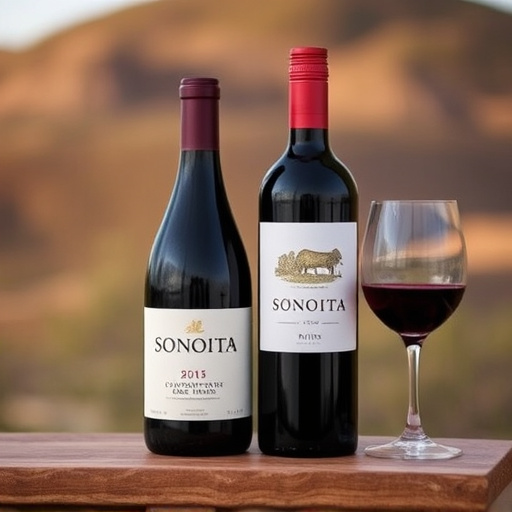
High elevation wines from Sonoita, Arizona, have garnered significant attention in recent years, with their unique characteristics setting them apart on the global wine market. The region’s vineyards, nestled at elevations exceeding 4,000 feet, benefit from a microclimate that fosters distinct flavor profiles. This has led to a positioning of high elevation Sonoita wines as premium offerings, appealing to connoisseurs seeking terroir-driven expressions.
The perception of these wines is largely shaped by their perceived rarity and the sense of adventure associated with exploring a relatively lesser-known wine region. With limited production and a growing demand for unique varietals, high elevation Sonoita estates have found themselves at the forefront of innovative marketing strategies. Many focus on storytelling, highlighting the challenges and rewards of cultivating grapes in such an environment. This approach not only educates consumers but also emphasizes the craftsmanship and dedication of local winemakers. For instance, some producers emphasize the impact of cooler temperatures on slowing grape ripening, allowing for a more nuanced development of flavors.
To capitalize on this niche market, Sonoita estates must continue to invest in creating a distinct brand identity while ensuring quality control. Educating both trade and consumers about the region’s specific terroirs can drive demand for these high-altitude wines. For wine enthusiasts, exploring high elevation Sonoita offerings provides an opportunity to discover a new frontier in viticulture, where each sip tells a story of resilience and the unique character of the vineyards themselves. This strategic positioning could solidify Sonoita as a premier destination for those seeking exceptional, terroir-driven wines.
By delving into the unique ecosystem of Sonoita, Arizona’s vineyards naturally nestled at high elevations, this article has unveiled a rich tapestry of insights. We’ve explored how these conditions bestow distinct characteristics onto wines produced in the area, from robust flavors to intricate aromas. A comparative study among neighboring estates revealed varying terroir influences, underscoring the nuanced nature of high-altitude viticulture. Understanding soil types, climate patterns, and grape quality enabled a deeper appreciation for the diverse offerings from Sonoita’s wine producers. Tasting notes highlighted unique blends and styles, showcasing the region’s ability to foster distinct, high-quality wines. Furthermore, market insights revealed a growing recognition of these wines’ value, positioning them as desirable, niche products. For enthusiasts and professionals alike, this study underscores the significance of high-elevation vineyards in Sonoita as a vibrant, dynamic sector within the global wine landscape, meriting further exploration and appreciation.