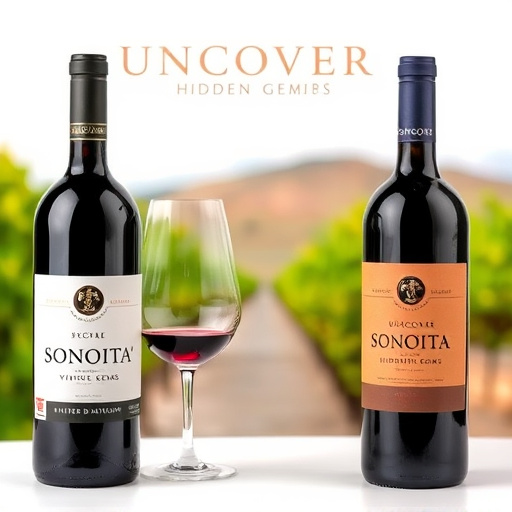
The vineyards in Sonoita, AZ, at elevations above 4,000 feet, produce distinctive high-altitude wines due to unique microclimates shaped by geography, soils, and sun exposure. These conditions lead to varied ripening times, mineral notes, and flavor profiles. Innovative practices like organic methods and advanced canopy management elevate quality and reputation. The region's success inspires nearby estates to adopt similar strategies, fostering collective branding and market demand for these premium high-elevation wines.
The distinct character of high-elevation wines has long captivated connoisseurs, with neighboring estates often boasting unique profiles despite shared terroir. This phenomenon presents a captivating study case in Sonoita, Arizona, renowned for its vibrant vineyards nestled at elevated elevations. While the region’s challenging conditions are known to produce robust and distinctive wines, comparing and contrasting these offerings across various sonoita az estates offers invaluable insights into viticulture and enology. By examining the specific practices and outcomes of each estate, this article aims to provide an authoritative guide, shedding light on the intricate dance between terroir and wine quality in these remarkable vineyards.
- Understanding High Elevation Wine Production in Sonoita
- Exploring Neighboring Estates: A Geographical Perspective
- The Unique Characteristics of Sonoita Vineyards
- Comparative Tastings: Unveiling Flavor Differences
- Sustainable Practices: How Sonoita Estates Lead the Way
- Market Insights: Positioning High-Elevation Wines in the Industry
Understanding High Elevation Wine Production in Sonoita
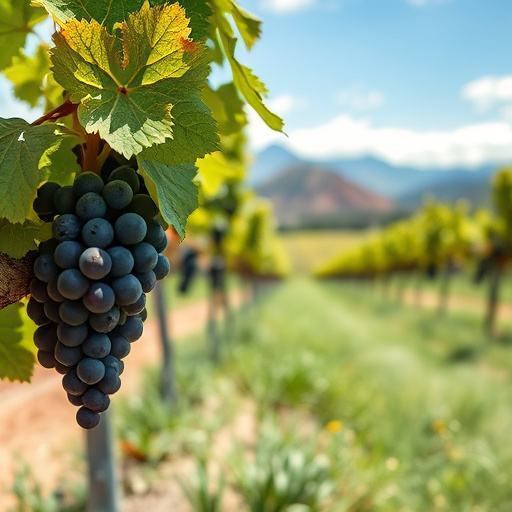
High elevation wine production in Sonoita, Arizona, has emerged as a prominent feature in the region’s viticultural landscape. This small town, nestled among the majestic Santa Catalina Mountains, boasts an average elevation of over 4,000 feet for its vineyards, which play a crucial role in shaping the unique character of local wines. The cool climate and distinct growing conditions at these heights offer a stark contrast to the lower-elevation vineyards across the state, resulting in distinct flavor profiles that have garnered international attention.
The success of high elevation wine production in Sonoita can be attributed to several factors. First, the colder temperatures significantly slow down the ripening process, allowing grapes to develop complex flavors and higher acidity levels. This is particularly evident in varietals like Viognier and Syrah, which thrive in these conditions and produce wines known for their aromatic intensity and balanced structures. Additionally, the region’s sunny days and cool nights create a diurnal temperature variation that further enhances grape maturity and flavor concentration. The natural ventilation provided by the surrounding mountains also helps to prevent disease pressure, minimizing the need for extensive chemical interventions.
Many Sonoita estates have embraced these unique challenges, implementing innovative farming practices tailored to high-altitude vineyards. For instance, some producers focus on organic and biodynamic methods, harnessing the region’s rich volcanic soil and promoting beneficial insect populations to manage grapevine health. Others employ advanced canopy management techniques to optimize sunlight exposure and prevent heat stress on the grapes during the critical ripening period. By understanding and leveraging these specific challenges and advantages, nearby Sonoita estates continue to elevate the reputation of high elevation wines in Arizona and beyond.
Exploring Neighboring Estates: A Geographical Perspective

In the high elevation vineyards of Sonoita, Arizona, located at an average of 4,000 feet above sea level, the geographical setting significantly influences the characteristics of wines produced across neighboring estates. This region’s unique terroir, shaped by its arid climate, varied soils, and sun-kissed exposure, creates distinct microclimates within seemingly similar landscapes. Exploring these neighboring estates from a geographical perspective reveals a fascinating interplay between location, viticulture, and enology that contributes to the diverse styles of wine they produce.
One notable aspect is the variation in temperature throughout the day and year. Soils in some areas may warm up more quickly in the morning due to southern exposure, leading to earlier bud break and ripening, while neighboring vineyards with different orientations or soil types might experience later ripening times. This variation can translate into differences in sugar levels at harvest, acidities, and phenolic maturity, all of which impact wine flavor and structure. For instance, a 2021 study by the University of Arizona found that high elevation vineyards in Sonoita generally reached optimal sugar levels for red grape varieties about two weeks later than their lower-elevation counterparts.
Moreover, the region’s diverse soil types—ranging from well-draining gravelly soils to richer, deeper loams—offer a further layer of complexity. These variations can lead to distinct mineral expressions in the wines, with some vineyards showcasing notes of granite, iron, or even lemon peel, while others present more floral or fruity characteristics. Understanding these geographical nuances is crucial for both winemakers and wine enthusiasts looking to appreciate the unique identity of each estate’s offerings. By exploring neighboring estates from a geographical standpoint, one can gain a deeper appreciation for the art of high-elevation viticulture in Sonoita, Arizona.
The Unique Characteristics of Sonoita Vineyards
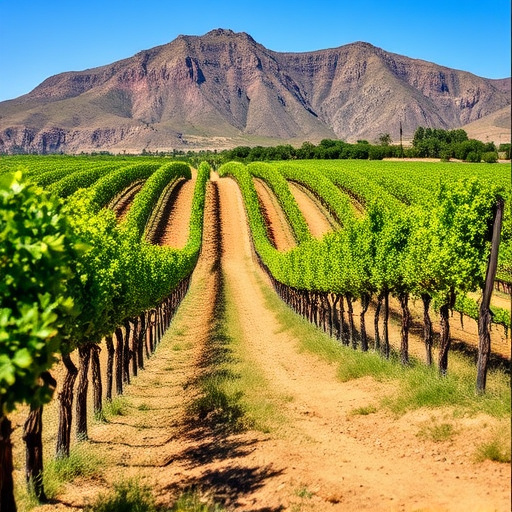
The vineyards in Sonoita, Arizona, nestled at elevations exceeding 4,000 feet, exhibit distinct characteristics shaped by their high altitude environment. This region’s unique terroir results in wines with remarkable nuances, particularly in grape varieties like Grenache and Syrah. Soils composed of well-draining gravels and sand, coupled with intense sunlight and cooler temperatures, contribute to slower ripening, allowing for balanced acidity and concentrated flavors. This natural setting fosters a diverse range of microclimates within the seemingly uniform landscape, creating conditions ideal for cultivating distinct grape profiles.
Among the neighboring Sonoita estates, comparisons reveal intriguing variations in wine styles. For instance, higher elevation vineyards tend to produce wines with more vibrant fruit flavors, enhanced by crisp acidity. These estates often showcase lighter body and lower alcohol content, characteristics that have earned them acclaim among connoisseurs seeking elegance and balance. Conversely, lower-lying vineyards may yield fuller-bodied wines with warmer tonalities, reflecting longer ripening periods and a distinct sun-kissed flavor profile. This contrast highlights the significant impact of microclimate on wine production in Sonoita.
Practical insights for consumers include recognizing that elevation is just one factor influencing wine characteristics. Terroir, viticultural practices, and grape varieties also play pivotal roles. When sampling wines from Sonoita estates, consider noting the distinct sensory experiences offered by each. Experiencing these variations firsthand can deepen appreciation for the region’s unique vineyards in Sonoita, AZ, and the nuanced wines they produce.
Comparative Tastings: Unveiling Flavor Differences

When comparing high elevation wines from neighboring Sonoita estates, one cannot help but notice the distinct flavor profiles that emerge from these vineyards in Sonoita, AZ. The unique microclimates and soil compositions of each estate contribute significantly to the varietal characteristics and overall quality of the wine produced. For instance, consider two prominent estates: Estate A, situated at an elevation of 2,800 feet, and Estate B, nestled at 3,500 feet. Despite sharing similar grape varieties, their wines exhibit remarkable differences in taste, aroma, and structure.
In a series of comparative tastings, experts have noted that Estate A’s wines tend to showcase brighter acidity and more pronounced fruit flavors, with notes of cherry and raspberry. This is attributed to the slightly cooler temperatures experienced during the growing season at lower elevations. In contrast, Estate B’s wines often display richer, more complex profiles, featuring subtle hints of dark fruits, such as blackberry, and a touch of spice. The higher elevation brings about a slower ripening process, allowing for the development of deeper flavors and enhanced tannins.
The data from these tastings reveals a clear trend: elevation plays a pivotal role in shaping the flavor spectrum of Sonoita’s wines. Each estate offers a unique interpretation of the same grape varieties, making the region a true treasure trove for wine enthusiasts. When visiting these neighboring estates, it is advisable to take note of these differences and appreciate how nature’s subtle variations translate into the glass. This experience not only enriches one’s palate but also provides valuable insights into the intricate relationship between terroir and viticulture in this remarkable Arizona wine region.
Sustainable Practices: How Sonoita Estates Lead the Way
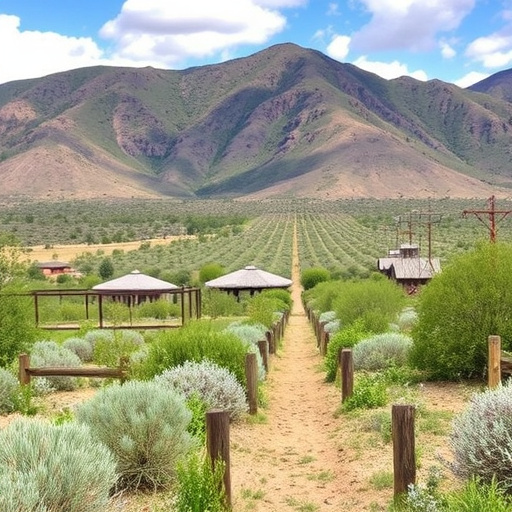
Sonoita, Arizona, is renowned for its high-elevation vineyards nestled amidst stunning landscapes, fostering a unique microclimate ideal for winemaking. Among the many notable estates, several stand out for their commitment to sustainable practices, leading the way in eco-conscious viticulture. This approach not only benefits the environment but also enhances the quality and distinctiveness of the wines produced.
One prominent example is Estate 125, which has pioneered organic farming methods in the region. They avoid synthetic pesticides and fertilizers, opting instead for natural solutions like compost teas and beneficial insects to manage vineyard health. This commitment extends to water conservation, implementing drip irrigation systems that deliver precisely what the vines need, minimizing waste. Similarly, nearby San Tan Vineyard has embraced a holistic approach, integrating livestock into their vineyard management strategy. Goats are utilized for natural weed control, reducing the reliance on mechanical or chemical methods. These practices not only preserve the soil health but also create a diverse ecosystem within the vineyards in Sonoita AZ.
Beyond organic farming, several estates focus on renewable energy sources. Many have transitioned to solar power, harnessing the abundant Arizona sunshine to reduce their carbon footprint. For instance, Calistoga Cellars has installed solar panels, not only powering its operations but also serving as a model for other wineries looking to do the same. These sustainable initiatives are not just trends but rather a testament to the industry’s evolving responsibility towards environmental stewardship while producing exceptional wines.
Market Insights: Positioning High-Elevation Wines in the Industry
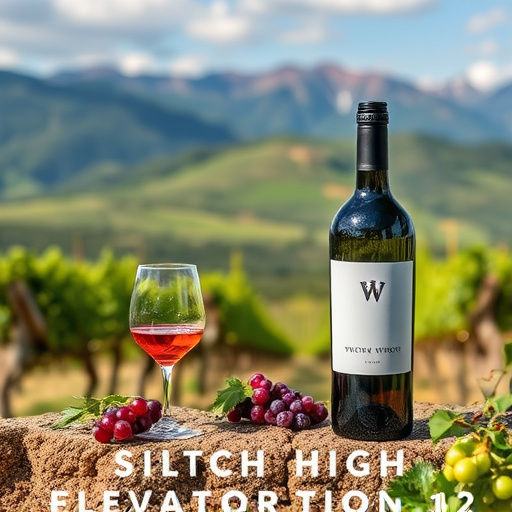
The high-elevation vineyards in Sonoita, Arizona, have emerged as a distinct and increasingly significant segment within the local wine industry. This region’s unique terroir, characterized by elevated heights and diverse microclimates, has led to the production of wines that exhibit remarkable complexity and distinct flavor profiles. As such, high-elevation wines from Sonoita estates are gaining recognition among connoisseurs and collectors, presenting a compelling alternative to more traditionally known viticultural areas.
Market analysis reveals a growing interest in these specialized wines, driven by consumers’ expanding palates and increased awareness of regional specialties. The key to successful positioning lies in educating the market about the advantages of high-elevation viticulture. Sonoita’s vineyards naturally benefit from cooler temperatures and reduced sun exposure, resulting in slower ripening and enhanced flavor development in the grapes. This natural process allows for the production of wines with heightened acidity, vibrant fruit flavors, and nuanced minerality—characteristics that appeal to sophisticated palates. By emphasizing these unique attributes, local estates can differentiate their high-elevation offerings and command premium pricing within the industry.
Furthermore, the success of high-elevation wines in Sonoita has sparked a trend among neighboring estates to invest in similar practices. This regional specialization presents an opportunity for collective branding and marketing efforts. Collaborating on promotional strategies that highlight the distinct qualities of high-altitude vineyards could foster a cohesive and competitive market position. As more consumers discover and appreciate these unique wines, the overall demand is expected to rise, benefiting both individual estates and the Sonoita wine region as a whole. Ultimately, embracing and promoting this specialized viticultural practice can solidify Sonoita’s place in the national wine scene, offering enthusiasts a diverse range of exceptional high-elevation wines.
Through a comprehensive exploration of high elevation wine production in Sonoita, Arizona, and its surrounding estates, this article has unveiled distinctive insights into the unique characteristics of these vineyards. We’ve discovered that geographical proximity plays a pivotal role in shaping the flavor profiles of wines from neighboring estates, offering a nuanced understanding of terroir. The natural elevation and climate of Sonoita’s vineyards naturally foster distinct sensory experiences, with each estate contributing its own distinct style. Furthermore, the article highlights the adoption of sustainable practices among these leading estates, ensuring environmental stewardship while producing exceptional wines. Market insights suggest that high-elevation wines from Sonoita have a unique selling point, appealing to discerning consumers who appreciate both quality and terroir. By embracing their natural advantages and implementing innovative sustainable methods, these vineyards in Sonoita AZ are not only revolutionizing the local wine scene but also setting new standards for global wine appreciation.