Vineyards in Sonoita, AZ: A Comprehensive Guide
Introduction
Welcome to an in-depth exploration of the vibrant world of vineyards in Sonoita, Arizona—a thriving wine-growing region that has captivated enthusiasts and farmers alike. This article aims to unravel the intricacies of this unique agricultural sector, highlighting its historical roots, global impact, economic significance, and the technological innovations shaping its future. By delving into these aspects, we will offer readers a comprehensive understanding of why Sonoita’s vineyards are not just a local attraction but a vital part of the global wine industry.
Understanding Vineyards in Sonoita, AZ: A Definition and Historical Perspective
What are Vineyards in Sonoita?
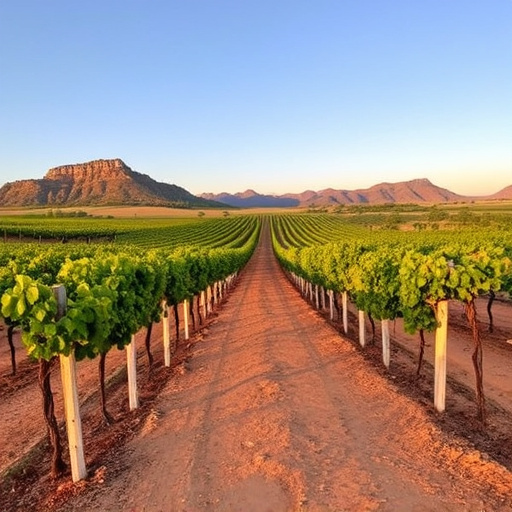
In its essence, vineyards in Sonoita refer to the cultivation of grapes and the production of wine within the boundaries of this specific geographic location. It encompasses the entire process, from planting and nurturing grapevines to the art of winemaking. The Sonoita Valley, nestled in southeastern Arizona, has emerged as a renowned wine-producing region, attracting both local and international attention for its distinct terroir (a combination of soil, climate, and geography) that lends itself exceptionally well to grape cultivation.
Historical Context:
The history of vineyards in Sonoita dates back several centuries. Native American tribes, such as the Tohono O’odham, have long utilized the region’s abundant natural resources, including wild grapes, for food and ceremonial purposes. The early 1900s marked a turning point when pioneering winemakers recognized the valley’s potential. They introduced European grapevines, establishing vineyards and wineries that laid the foundation for Sonoita’s thriving wine culture today.
Global Impact and Trends: A World-Class Wine Destination
International Influence:
Sonoita’s vineyards have left an indelible mark on the global wine scene. The region’s unique climate and soil composition have contributed to the development of distinct grape varieties, flavors, and styles that have gained international acclaim. Winemakers in Sonoita embrace both traditional and innovative techniques, ensuring their wines compete on a world stage. This international influence is evident in the growing popularity of Sonoita wines at global wine competitions and in high-end restaurants worldwide.
Trends Shaping the Trajectory:
- Sustainability: A prominent trend across all agricultural sectors, including vineyards, is the push for sustainability. Many winemakers in Sonoita are embracing organic and biodynamic farming practices, minimizing their environmental impact while enhancing soil health and grape quality.
- Craft Wine Movement: The rise of craft wineries aligns with the global appreciation for unique, small-batch wines. This trend has encouraged smaller, family-owned vineyards in Sonoita to showcase their distinctive terroirs and grapes, attracting a niche but passionate audience.
- Diversification: Winemakers are experimenting with various grape varieties and blends, reflecting consumer demands for diverse wine styles. This includes the successful cultivation of lesser-known grapes alongside traditional ones, adding depth and variety to the region’s wine portfolio.
- Tourism Boom: The success of Sonoita’s vineyards has sparked a significant surge in tourism. Wine enthusiasts from around the world travel to experience the region’s unique offerings, including tastings, tours, and immersive activities, contributing significantly to local economies.
Economic Considerations: Driving Force behind the Industry
Market Dynamics:
The economic impact of Sonoita’s vineyards is profound and multifaceted. The primary market for Sonoita wines is domestic, with a significant portion exported to neighboring states like California, Texas, and New Mexico. Additionally, the region’s tourism industry thrives on wine-related activities, attracting over 200,000 visitors annually, according to recent estimates. This influx contributes to local job creation and economic growth.
Investment Patterns:
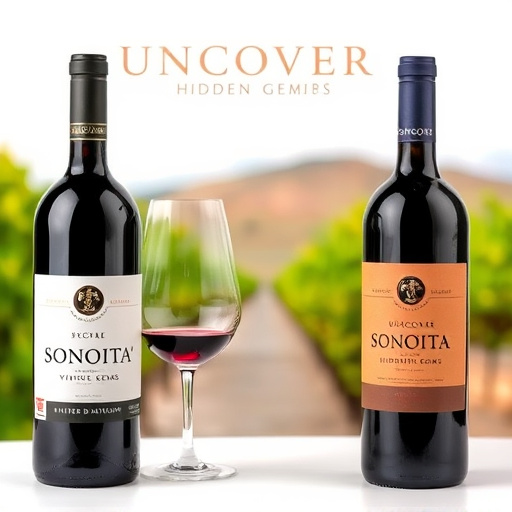
- Wines and Branding: Winemakers in Sonoita have invested heavily in building unique brand identities, which has led to the development of recognizable labels both locally and internationally. These brands command premium prices, enhancing the economic viability of the industry.
- Infrastructure Development: The success of the vineyards has spurred investments in local infrastructure, including improved roads, tasting rooms, and accommodation options, further boosting tourism and the overall economy.
Role in Economic Systems:
Vineyards in Sonoita play a pivotal role in the region’s economic system:
- Primary Sector: Grape cultivation and winemaking form the backbone of the primary sector, contributing to agricultural GDP and rural development.
- Spin-off Industries: The industry supports various spin-off businesses, including tourism, hospitality, and food production, creating a diverse and resilient local economy.
- Export Potential: Sonoita’s wines have gained international recognition, presenting significant export opportunities that can drive economic growth and diversify revenue streams.
Technological Advancements: Revolutionizing the Art of Winemaking
Incorporating Modern Technology:
The wine industry, including Sonoita’s vineyards, has embraced technological advancements to enhance productivity, quality, and sustainability:
- Precision Farming: Winemakers utilize GPS mapping and sensors to monitor soil health, grapevine growth, and yield, enabling precise application of fertilizers and pesticides.
- Automated Harvesting: Mechanized harvesters have been introduced to improve efficiency during the grape picking process, reducing labor costs and ensuring consistent quality.
- Sustainable Practices: Innovations in water management systems, such as drip irrigation, and organic farming techniques contribute to more sustainable vineyard operations.
- Digital Wine Education: Virtual tours and online platforms offer wine enthusiasts global access to Sonoita’s vineyards, fostering education and appreciation for the region’s wines.
Tech Startups and Innovation Hubs:
Arizona has emerged as a hub for agricultural technology startups, many of which focus on precision agriculture and sustainable practices. These innovations are tailored to meet the specific needs of vineyards in Sonoita and nearby regions, driving further advancements in the industry.
Sustainability and Environmental Stewardship: A Growing Focus
Organic and Biodynamic Practices:
Many winemakers in Sonoita have embraced organic and biodynamic farming as a commitment to environmental sustainability. These practices involve minimizing synthetic inputs and fostering a balanced ecosystem within the vineyard, leading to healthier grapes and more resilient vineyards.
Water Conservation:
Due to Arizona’s arid climate, water conservation is a critical aspect of vineyard management. Winemakers employ advanced irrigation systems and soil moisture sensors to optimize water usage, ensuring sustainable practices while maintaining grape quality.
Wildlife Habitat Preservation:
Some wineries actively preserve and restore natural habitats within their vineyards, supporting local biodiversity and contributing to the overall ecological health of the region. This approach not only benefits wildlife but also enhances the unique terroir that makes Sonoita wines so special.
The Future of Sonoita’s Vineyards: Innovation and Adaptation
Climate Change and Adaptation:
As climate change continues to impact global agriculture, winemakers in Sonoita are implementing strategies to adapt. These include experimenting with new grape varieties better suited to changing climates, improving vineyard water management, and adopting renewable energy sources to reduce the industry’s carbon footprint.
Diversification and Market Expansion:
- New Grape Varieties: Winemakers are exploring diverse grape varieties to create unique blends and cater to evolving consumer preferences.
- Global Reach: With increasing international recognition, Sonoita wines have the potential to expand their global market share, opening up opportunities for export growth and brand diversification.
- Digital Transformation: The digital era presents winemakers with opportunities to enhance marketing, customer engagement, and online sales, ensuring the industry remains accessible and appealing to a wider audience.
Conclusion: A Destination for Wine Enthusiasts and a Model for Sustainable Agriculture
Sonoita’s vineyards have evolved from a local agricultural sector to a world-class wine destination that showcases the best of Arizona’s terroir. Through historical roots, global recognition, economic significance, and technological innovation, this region has established itself as a leader in sustainable agriculture and a model for other wine-producing areas worldwide. As Sonoita continues to adapt and embrace new challenges, its vineyards will undoubtedly remain a vibrant and thriving part of the global wine community.
The Sonoita region in southern Arizona stands out for its diverse microclimates and thriving vineyards, offering unique wine profiles ranging from crisp whites to full-bodied reds. Winemakers leverage elevation, mountains, and sun exposure to produce high-quality grapes and distinctive wines, making the area a must-visit destination for wine enthusiasts exploring the best vineyards in Sonoita, AZ.
Explore the enchanting world of microclimates in the Sonoita region of Arizona, where neighboring vineyards produce distinct wines that captivate palates. This article delves into the unique environmental factors shaping these wines, offering a comparative study of nearby vineyard sites. From temperature variations to sunlight exposure, each microclimate bestows specific characteristics on the grapes, resulting in a diverse range of wine styles. Discover how these subtle differences elevate the culinary experience for wine enthusiasts exploring the vibrant vineyards of Sonoita, Arizona.
Understanding Microclimates and Their Impact on Wine Production in Sonoita, Arizona
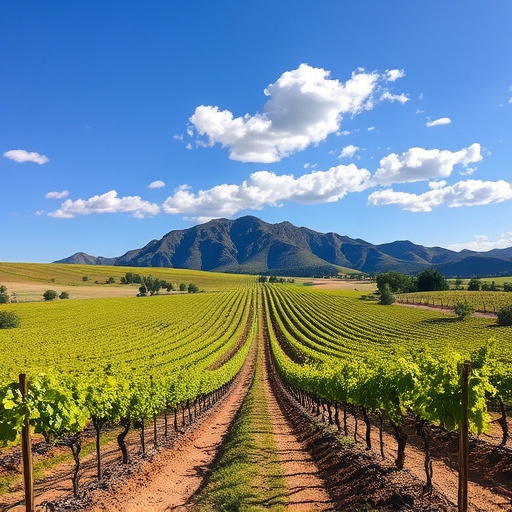
In the heart of southern Arizona lies a hidden gem for wine enthusiasts—the Sonoita region, renowned for its diverse microclimates and thriving vineyards. Understanding microclimates is key to unlocking the unique characteristics of wines produced in this area. These small-scale climate zones, often distinct within a single vineyard, significantly influence grape growing and winemaking.
Sonoita’s varied microclimates result from factors like elevation, proximity to mountains, and sun exposure. Some vineyards enjoy warm days and cool nights, ideal for cultivating diverse grape varieties. Others experience more moderate temperatures, contributing to the region’s reputation for producing well-balanced, complex wines. This diversity allows nearby Sonoita region vineyards to offer a captivating range of vintages, making them must-visit destinations for wine lovers exploring Arizona’s vibrant wine country.
A Comparative Study of Neighboring Vineyard Sites in the Region
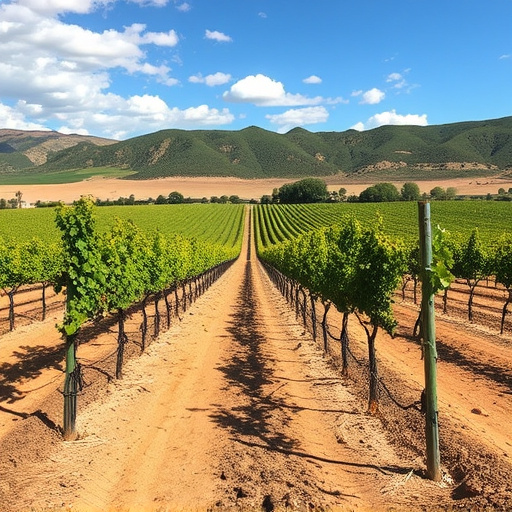
In the competitive world of wine production, understanding microclimates and their impact on grape quality is paramount for winemakers in regions like Sonoita, Arizona. A comparative study of neighboring vineyard sites in this region reveals intriguing variations that influence the distinctiveness of the wines they produce. Each site boasts unique characteristics shaped by factors such as elevation, aspect, and surrounding geography, leading to diverse microclimates.
These microclimates play a crucial role in determining grape ripening and flavor development. For instance, vineyards nestled in lower elevations often experience warmer temperatures, encouraging earlier ripening and potentially contributing to wines with higher sugar content and fuller body. Conversely, higher elevation sites benefit from cooler breezes, slowing down ripening and preserving delicate aromas and complex flavors in the grapes. Such differences translate into a captivating array of wine styles, showcasing the regional diversity among Sonoita’s vineyards.
Uncovering the Unique Characteristics of Each Vineyard's Wine Offerings
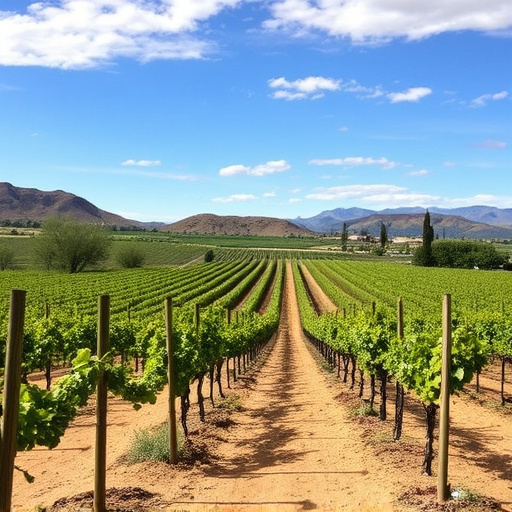
In the heart of Arizona’s Sonoita region, each vineyard boasts a microclimate that bestows unique characteristics on their wine offerings. This distinctiveness is a result of varying factors like elevation, soil types, and exposure to sun and wind. For instance, higher-elevation vineyards tend to produce wines with crisp acidity and vibrant fruit flavors, while those at lower elevations may offer richer, more full-bodied profiles. The specific soil composition also plays a crucial role in shaping the wine’s taste, with certain minerals imparting distinct mineral notes or contributing to the structure of the wine.
Exploring these vineyards in Sonoita, AZ, one discovers a symphony of flavors that echo the region’s diverse microclimates. Some produce light, crisp whites with hints of citrus and floral notes, while others offer robust reds with dark fruit flavors and earthy undertones. This variety ensures that wine enthusiasts can find their perfect match, making a visit to these vineyards an enchanting experience for the senses.
The diverse microclimates within the Sonoita region of Arizona offer a fascinating insight into how wine characteristics can vary significantly even between neighboring vineyards. By understanding these unique environmental factors, wine enthusiasts and producers alike can appreciate the distinct flavors and aromas that each vineyard brings to the table. Exploring these microclimate wines allows us to uncover the hidden gems of the area and truly experience the terroir of Sonoita’s vibrant vineyards.