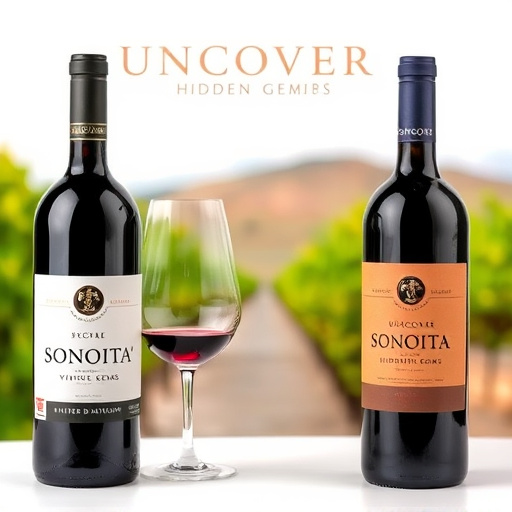
Sonoita, Arizona's vineyards offer a premier wine education destination. Unique microclimate and soil types foster ideal grape cultivation. Educational wineries provide immersive experiences in viticulture, winemaking, and vineyard management, catering to beginners and experts. Hands-on sessions cover techniques like pruning, grafting, and canopy management. The region's varied terrain influences grape development and wine characteristics. Tastings highlight local terroir. Sustainable practices are prominent, with organic farming, water conservation, and native vegetation enhancing environmental stewardship and wine quality. These immersive experiences enable visitors to navigate and appreciate the distinctive wines of Sonoita's vineyards in sonoita AZ.
The art of viticulture, or grape cultivation, is a nuanced skill set that significantly influences the quality and character of wines produced. In the picturesque landscape of Sonoita, Arizona, where vineyards flourish naturally, educational wineries offer an unparalleled opportunity to learn these techniques. This article delves into the significance of mastering viticulture in this region, highlighting the challenges faced by aspiring winemakers and proposing a solution: immersing oneself in the specialized programs offered by local wineries dedicated to cultivating the unique terroir of Sonoita’s vineyards.
- Discover Viticulture's Foundation in Sonoita's Vineyards
- Exploring Educational Winemaking Programs Nearby
- Hands-On Training: Pruning to Harvest in Action
- Understanding Soil and Climate: Key Factors for Success
- Sustainable Practices: Eco-Friendly Viticulture Techniques
- Tasting Notes: Learn from Local Wines' Complexities
Discover Viticulture's Foundation in Sonoita's Vineyards
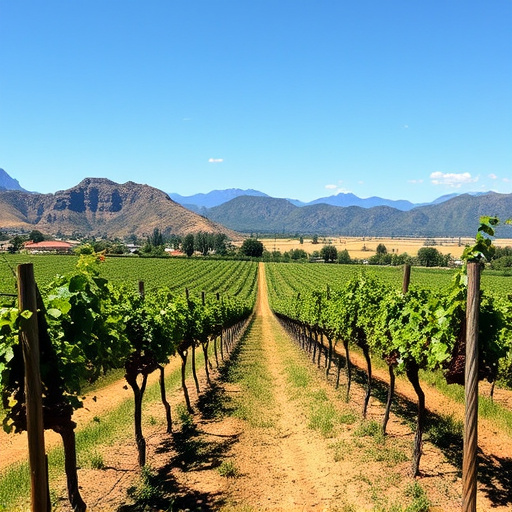
Sonoita, Arizona, is renowned for its thriving wine industry and picturesque vineyards. This region has become a hotspot for viticulture enthusiasts due to its unique microclimate and diverse soil types, offering an ideal environment for grape cultivation. Exploring the vineyards in Sonoita provides an unparalleled opportunity to delve into the foundations of this ancient art form. Here, aspiring winemakers can gain invaluable knowledge and hands-on experience from seasoned professionals who have made this region’s viticultural success their life’s work.
Educational wineries in Sonoita offer immersive experiences that cover every aspect of grape growing and winemaking. Visitors can tour the vineyards, learning about different grape varieties and their specific requirements for thriving in this desert environment. Experts will share insights on soil analysis, irrigation techniques suitable for arid climates, and the careful monitoring of grape ripeness, all crucial factors in producing exceptional wines. Practical sessions may include grafting and pruning demonstrations, ensuring visitors understand the basics of vineyard maintenance and management.
The region’s diverse terrain presents varied challenges and advantages for viticulture. From undulating hillsides to flat plains, each vineyard site demands a tailored approach. Experienced winemakers will guide students through these variations, showcasing how different vineyard positions impact grape development and ultimately wine characteristics. Tasting sessions featuring local wines made from grapes grown in various microclimates provide tangible examples of this nuanced art, enabling students to develop their palates and appreciation for terroir.
Exploring Educational Winemaking Programs Nearby
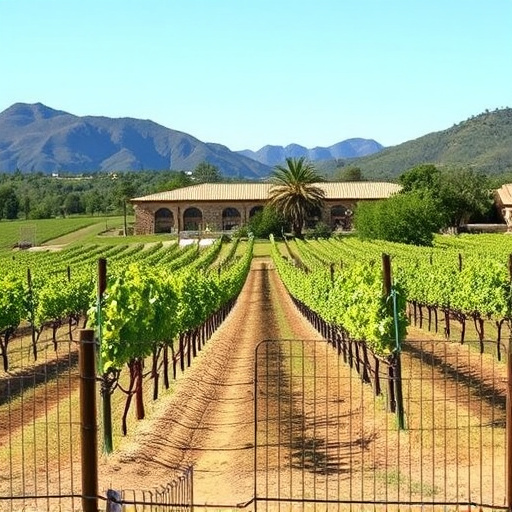
Sonoita, Arizona, is renowned for its thriving viticulture scene nestled amidst picturesque vineyards. This region offers an unparalleled opportunity to learn about winemaking techniques from industry experts right in the heart of wine country. Educational wineries nearby play a pivotal role in training aspiring winemakers and enthusiasts alike, providing valuable insights into the art and science behind crafting fine wines. These programs cater to various skill levels, from beginners curious about grape growing to seasoned professionals seeking to refine their craft.
One notable example is the University of Arizona’s extension program, which collaborates with local wineries to offer comprehensive courses on vineyard management and winemaking. These hands-on workshops cover topics such as grape varieties suitable for the Sonoita climate, soil analysis, canopy management, and harvest techniques specific to the region. Students gain practical experience in the vineyards and cellars, learning directly from experienced winemakers who have shaped the diverse wine culture of Sonoita. Such educational initiatives not only contribute to the local economy but also ensure the continuity of traditional winemaking practices in this naturally endowed area.
To make the most of these opportunities, visitors should plan their trips during the vineyard’s active seasons, typically spring for planting and fall for harvesting. Engaging with winemakers and attending tours or workshops allows for a deeper understanding of the region’s unique terroir and the challenges and rewards of viticulture in Sonoita. This immersive experience can inspire both beginners and professionals to explore new avenues in winemaking while appreciating the rich history and natural beauty that define these educational wineries.
Hands-On Training: Pruning to Harvest in Action
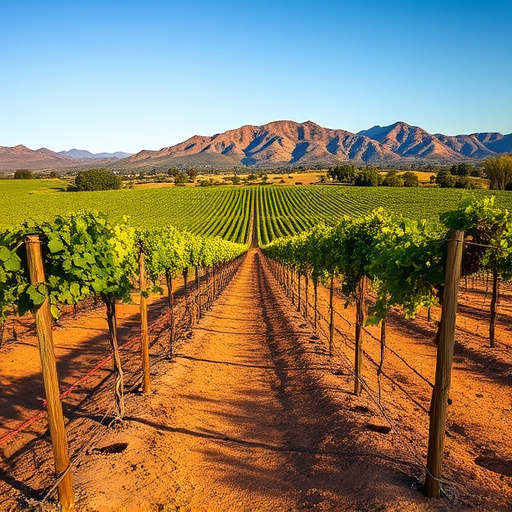
The educational wineries near Sonoita, Arizona, offer an unparalleled opportunity to immerse oneself in the art of viticulture, from pruning to harvest. These establishments serve as living laboratories where aspiring winemakers can observe and engage with seasoned professionals in the field. Hands-on training is a cornerstone of this learning experience, allowing students to apply theoretical knowledge directly to the care of vineyards in Sonoita. During pruning season, for instance, participants learn the intricacies of cane positioning and shooting, crucial techniques for managing vine health and yield. This practical approach extends throughout the growing cycle, encompassing bud breaking, leaf removal, and cluster thinning—all vital steps ensuring optimal grape quality.
As the season progresses, students witness the meticulous harvesting process, from selecting the ideal ripeness to choosing the right time for each vineyard block. Expert winemakers share insights on gravity flow systems and tank fermentation, demonstrating how these methods contribute to the distinctive character of Sonoita’s wines. These workshops often include field trips to diverse vineyards, showcasing the region’s varied microclimates and soil types. Such hands-on exposure equips aspiring winemakers with a deep understanding of grape varieties’ responses to different conditions, enabling them to make informed decisions about vineyard management and wine production.
The experience extends beyond technical skills, fostering a connection with the natural landscape. Students learn how to interpret a vineyard’s health through canopy management, ensuring sustainable practices that preserve the unique terroir of Sonoita’s vineyards. This holistic training prepares individuals not only to work in wineries but also to become stewards of these delicate ecosystems. The practical knowledge gained from such immersive experiences is invaluable, turning students into well-rounded viticulturists capable of contributing to the thriving wine culture in this natural haven.
Understanding Soil and Climate: Key Factors for Success
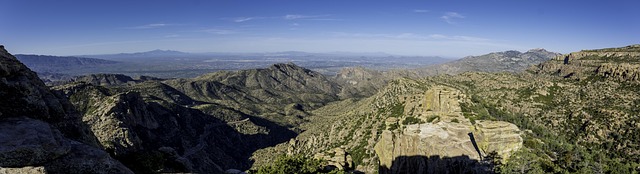
The success of viticulture in Sonoita, Arizona, naturally hinges on understanding the intricate interplay between soil and climate. This region’s unique terroir, characterized by its well-draining sandy soils and abundant sunlight, creates ideal conditions for cultivating a diverse range of grape varieties. Experts note that the soil types found in many vineyards across Sonoita are predominantly sandy loam, which offers excellent drainage while retaining enough moisture to support robust grape growth.
Climate plays an equally vital role. The area benefits from a semi-arid climate with hot summers and mild winters. This temperature dynamic is crucial for grape ripening, as it allows for the gradual accumulation of sugars and development of complex flavors. Data from nearby weather stations reveals that average temperatures range from around 35°F (2°C) in winter to over 100°F (38°C) during the summer months. Such fluctuations contribute to a lengthy growing season, enabling grapes to mature fully.
Practical insights for winemakers include implementing strategies to manage water effectively, such as drip irrigation, which ensures optimal hydration without leading to root rot. Additionally, understanding microclimates within vineyards is essential; hillsides and varying elevations can create pockets of cooler or warmer temperatures, affecting grape development. By closely monitoring these factors and adapting cultivation techniques accordingly, Sonoita’s winemakers can consistently produce high-quality wines that reflect the unique character of their region.
Sustainable Practices: Eco-Friendly Viticulture Techniques
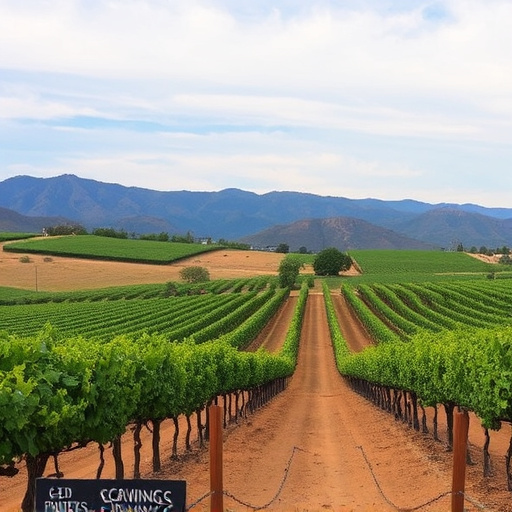
The vineyards in Sonoita, AZ have emerged as a beacon for sustainable viticulture practices, attracting wine enthusiasts and industry professionals alike who seek to learn eco-friendly techniques. This region’s unique terroir and commitment to environmental stewardship create an ideal environment for exploring innovative methods that minimize the industry’s ecological footprint. Educational wineries here offer more than just tastings; they provide immersive experiences in which visitors can observe and participate in sustainable practices, such as organic farming methods, water conservation strategies, and renewable energy integration.
One prominent example is the use of cover crops between vintages to improve soil health and prevent erosion, a technique that has shown significant success in Sonoita’s hot, dry climate. These cover crops not only enrich the soil with essential nutrients but also act as natural barriers against pests and diseases, reducing the need for chemical interventions. Additionally, many wineries utilize advanced irrigation systems that employ capillary drip or precision sprinklers to deliver water directly to grapevines, minimizing waste and ensuring efficient use of this precious resource.
Beyond these practices, Sonoita’s educational wineries emphasize the importance of biodiversity within the vineyard. By planting native vegetation around and between rows of grapes, these establishments foster habitats for beneficial insects and birds, contributing to a balanced ecosystem that naturally controls pests. This holistic approach to viticulture not only benefits the environment but also enhances the quality and complexity of the wines produced in Sonoita’s distinctively natural setting.
Tasting Notes: Learn from Local Wines' Complexities
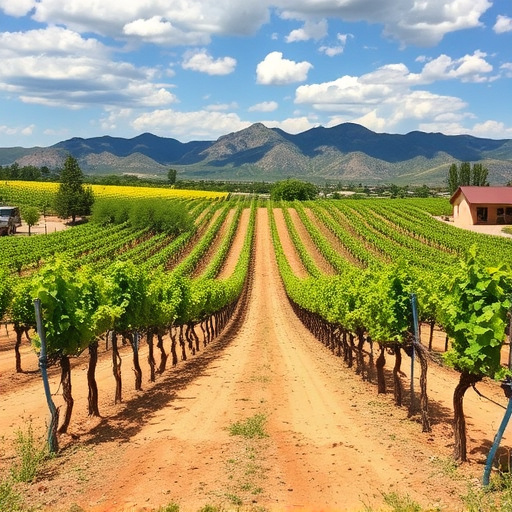
The educational wineries near Sonoita offer a unique opportunity to delve into the complexities of local wines, providing insights that extend far beyond mere tasting. These vineyards in Sonoita, AZ are not just places for enjoyment; they serve as living laboratories where you can observe and learn firsthand about the intricate dance between terroir, viticulture practices, and wine quality. Each sip becomes a lesson, revealing nuances that reflect the region’s distinct character—from the mineral notes that often ripple through the red blends to the citrusy vibrancy of certain white varieties.
Experts on these estates are eager to share their knowledge about soil types, elevation changes, and microclimates that influence grape ripening, each factor contributing to the unique profile of the final product. By engaging with these discussions and tastings, students gain a deeper appreciation for the challenges and rewards of crafting fine wine in this particular region. For instance, the diverse microclimates within Sonoita’s vineyards can lead to distinct flavor profiles even among neighboring blocks, underscoring the importance of precise viticulture techniques tailored to specific vineyard locations.
Beyond theoretical knowledge, hands-on experience at these wineries allows you to explore different grape varieties and observe how they translate into wine. You’ll learn to identify regional characteristics not just through professional tastings but also by comparing notes with fellow enthusiasts. This immersive approach ensures that your understanding of Sonoita’s wines is both profound and practical, empowering you to navigate the local wine scene with newfound confidence and a refined palate.
By delving into the vineyards of Sonoita, AZ, this article has unveiled a wealth of knowledge for aspiring viticulturists. Key insights include understanding the foundational techniques rooted in these vibrant local vineyards, exploring nearby educational programs offering hands-on training from pruning to harvest, and recognizing the significance of soil, climate, and sustainable practices for successful wine production. The value lies in comprehending how these factors intertwine, influencing the unique complexities of each bottle. Embracing eco-friendly viticulture not only benefits the environment but also enriches the final product’s taste profile. Armed with this knowledge, readers are now equipped to navigate their own winemaking journeys, whether through further study or practical application in Sonoita’s naturally endowed vineyards.