Skip to content

Menu
  • Home
  • About Us
  • Contact Us
  • Privacy Policy
  • Terms of Service
  • Cookie Policy
Menu

Vineyards in Sonoita, AZ: A Comprehensive Guide

Introduction

Welcome to an in-depth exploration of the vibrant world of vineyards in Sonoita, Arizona—a thriving wine-growing region that has captivated enthusiasts and farmers alike. This article aims to unravel the intricacies of this unique agricultural sector, highlighting its historical roots, global impact, economic significance, and the technological innovations shaping its future. By delving into these aspects, we will offer readers a comprehensive understanding of why Sonoita’s vineyards are not just a local attraction but a vital part of the global wine industry.

Understanding Vineyards in Sonoita, AZ: A Definition and Historical Perspective

What are Vineyards in Sonoita?
In its essence, vineyards in Sonoita refer to the cultivation of grapes and the production of wine within the boundaries of this specific geographic location. It encompasses the entire process, from planting and nurturing grapevines to the art of winemaking. The Sonoita Valley, nestled in southeastern Arizona, has emerged as a renowned wine-producing region, attracting both local and international attention for its distinct terroir (a combination of soil, climate, and geography) that lends itself exceptionally well to grape cultivation.

Historical Context:
The history of vineyards in Sonoita dates back several centuries. Native American tribes, such as the Tohono O’odham, have long utilized the region’s abundant natural resources, including wild grapes, for food and ceremonial purposes. The early 1900s marked a turning point when pioneering winemakers recognized the valley’s potential. They introduced European grapevines, establishing vineyards and wineries that laid the foundation for Sonoita’s thriving wine culture today.

Global Impact and Trends: A World-Class Wine Destination

International Influence:
Sonoita’s vineyards have left an indelible mark on the global wine scene. The region’s unique climate and soil composition have contributed to the development of distinct grape varieties, flavors, and styles that have gained international acclaim. Winemakers in Sonoita embrace both traditional and innovative techniques, ensuring their wines compete on a world stage. This international influence is evident in the growing popularity of Sonoita wines at global wine competitions and in high-end restaurants worldwide.

Trends Shaping the Trajectory:

  • Sustainability: A prominent trend across all agricultural sectors, including vineyards, is the push for sustainability. Many winemakers in Sonoita are embracing organic and biodynamic farming practices, minimizing their environmental impact while enhancing soil health and grape quality.
  • Craft Wine Movement: The rise of craft wineries aligns with the global appreciation for unique, small-batch wines. This trend has encouraged smaller, family-owned vineyards in Sonoita to showcase their distinctive terroirs and grapes, attracting a niche but passionate audience.
  • Diversification: Winemakers are experimenting with various grape varieties and blends, reflecting consumer demands for diverse wine styles. This includes the successful cultivation of lesser-known grapes alongside traditional ones, adding depth and variety to the region’s wine portfolio.
  • Tourism Boom: The success of Sonoita’s vineyards has sparked a significant surge in tourism. Wine enthusiasts from around the world travel to experience the region’s unique offerings, including tastings, tours, and immersive activities, contributing significantly to local economies.

Economic Considerations: Driving Force behind the Industry

Market Dynamics:
The economic impact of Sonoita’s vineyards is profound and multifaceted. The primary market for Sonoita wines is domestic, with a significant portion exported to neighboring states like California, Texas, and New Mexico. Additionally, the region’s tourism industry thrives on wine-related activities, attracting over 200,000 visitors annually, according to recent estimates. This influx contributes to local job creation and economic growth.

Investment Patterns:

  • Wines and Branding: Winemakers in Sonoita have invested heavily in building unique brand identities, which has led to the development of recognizable labels both locally and internationally. These brands command premium prices, enhancing the economic viability of the industry.
  • Infrastructure Development: The success of the vineyards has spurred investments in local infrastructure, including improved roads, tasting rooms, and accommodation options, further boosting tourism and the overall economy.

Role in Economic Systems:
Vineyards in Sonoita play a pivotal role in the region’s economic system:

  • Primary Sector: Grape cultivation and winemaking form the backbone of the primary sector, contributing to agricultural GDP and rural development.
  • Spin-off Industries: The industry supports various spin-off businesses, including tourism, hospitality, and food production, creating a diverse and resilient local economy.
  • Export Potential: Sonoita’s wines have gained international recognition, presenting significant export opportunities that can drive economic growth and diversify revenue streams.

Technological Advancements: Revolutionizing the Art of Winemaking

Incorporating Modern Technology:
The wine industry, including Sonoita’s vineyards, has embraced technological advancements to enhance productivity, quality, and sustainability:

  • Precision Farming: Winemakers utilize GPS mapping and sensors to monitor soil health, grapevine growth, and yield, enabling precise application of fertilizers and pesticides.
  • Automated Harvesting: Mechanized harvesters have been introduced to improve efficiency during the grape picking process, reducing labor costs and ensuring consistent quality.
  • Sustainable Practices: Innovations in water management systems, such as drip irrigation, and organic farming techniques contribute to more sustainable vineyard operations.
  • Digital Wine Education: Virtual tours and online platforms offer wine enthusiasts global access to Sonoita’s vineyards, fostering education and appreciation for the region’s wines.

Tech Startups and Innovation Hubs:
Arizona has emerged as a hub for agricultural technology startups, many of which focus on precision agriculture and sustainable practices. These innovations are tailored to meet the specific needs of vineyards in Sonoita and nearby regions, driving further advancements in the industry.

Sustainability and Environmental Stewardship: A Growing Focus

Organic and Biodynamic Practices:
Many winemakers in Sonoita have embraced organic and biodynamic farming as a commitment to environmental sustainability. These practices involve minimizing synthetic inputs and fostering a balanced ecosystem within the vineyard, leading to healthier grapes and more resilient vineyards.

Water Conservation:
Due to Arizona’s arid climate, water conservation is a critical aspect of vineyard management. Winemakers employ advanced irrigation systems and soil moisture sensors to optimize water usage, ensuring sustainable practices while maintaining grape quality.

Wildlife Habitat Preservation:
Some wineries actively preserve and restore natural habitats within their vineyards, supporting local biodiversity and contributing to the overall ecological health of the region. This approach not only benefits wildlife but also enhances the unique terroir that makes Sonoita wines so special.

The Future of Sonoita’s Vineyards: Innovation and Adaptation

Climate Change and Adaptation:
As climate change continues to impact global agriculture, winemakers in Sonoita are implementing strategies to adapt. These include experimenting with new grape varieties better suited to changing climates, improving vineyard water management, and adopting renewable energy sources to reduce the industry’s carbon footprint.

Diversification and Market Expansion:

  • New Grape Varieties: Winemakers are exploring diverse grape varieties to create unique blends and cater to evolving consumer preferences.
  • Global Reach: With increasing international recognition, Sonoita wines have the potential to expand their global market share, opening up opportunities for export growth and brand diversification.
  • Digital Transformation: The digital era presents winemakers with opportunities to enhance marketing, customer engagement, and online sales, ensuring the industry remains accessible and appealing to a wider audience.

Conclusion: A Destination for Wine Enthusiasts and a Model for Sustainable Agriculture

Sonoita’s vineyards have evolved from a local agricultural sector to a world-class wine destination that showcases the best of Arizona’s terroir. Through historical roots, global recognition, economic significance, and technological innovation, this region has established itself as a leader in sustainable agriculture and a model for other wine-producing areas worldwide. As Sonoita continues to adapt and embrace new challenges, its vineyards will undoubtedly remain a vibrant and thriving part of the global wine community.

Eco-Conscious Vineyards: Sonoita's Dry Farming Revolution

Eco-Conscious Vineyards: Sonoita’s Dry Farming Revolution

Posted on May 22, 2026 by vineyards in sonoita az

The vineyards in Sonoita, AZ, pioneer sustainable agriculture through dry farming techniques, leveraging the region's arid climate and well-drained soils. This natural approach conserves water, strengthens soil health, promotes biodiversity, and enhances wine quality. By developing deep root systems, vines become more drought-resistant, reducing reliance on artificial irrigation. Sonoita's success serves as a global model for ecological preservation and high-quality wine production.

The global wine industry faces a critical juncture as environmental consciousness gains urgency. Among the key players are the vineyards of Sonoita, Arizona, known for their natural beauty and distinct terroirs. However, traditional viticulture practices often strain local resources, highlighting the need for innovative, eco-conscious solutions. Dry farming emerges as a promising technique, offering a sustainable approach to winemaking without reliance on irrigation. This article delves into the transformative potential of dry farming in Sonoita’s vineyards, exploring its benefits for soil health, water conservation, and wine quality while preserving the region’s natural integrity.

  • Discovering Eco-Conscious Practices in Sonoita's Vineyards
  • The Challenge of Dry Farming: A Natural Approach
  • Soils, Sun, and Savvy Farmers in Sonoita Region
  • Benefits and Impact on Local Ecosystem: A Success Story

Discovering Eco-Conscious Practices in Sonoita's Vineyards
vineyards in sonoita az

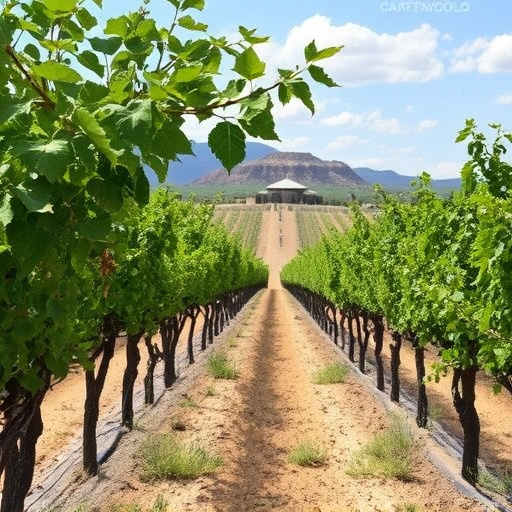
The vineyards of Sonoita, Arizona, have emerged as a beacon of innovation in sustainable agriculture, with many wineries adopting eco-conscious practices that harmonize with the region’s unique natural environment. This shift towards sustainability is not merely a trend but a conscious effort to preserve the land and water resources that are integral to the future of viticulture in Sonoita. By embracing dry farming techniques, these vineyards are showcasing a deep respect for the local ecosystem, minimizing irrigation while maximizing efficiency.

Dry farming, an age-old practice, involves relying on natural rainfall rather than artificial means to hydrate the vines. This method not only conserves water but also fosters deeper root systems that make the vines more resilient to drought and disease. In Sonoita, where summers are hot and dry, this approach aligns perfectly with the region’s climate, leading to vibrant grapes that reflect the terroir of the land. For instance, some prominent vineyards in the area have reported significant water savings while maintaining, or even improving, grape quality since adopting dry farming practices.

Beyond water conservation, eco-conscious wineries in Sonoita are employing organic and biodynamic farming methods, avoiding synthetic chemicals, and promoting biodiversity. This holistic approach not only benefits the soil and surrounding ecosystem but also enhances the flavor profiles of their wines. As consumers become increasingly conscious of environmental issues, these sustainable practices have opened new markets for Sonoita’s vineyards, attracting a loyal customer base that appreciates the region’s commitment to ecological stewardship. The success of these eco-conscious vineyards serves as a model for other agricultural sectors, demonstrating that sustainability and profitability can go hand in hand.

The Challenge of Dry Farming: A Natural Approach
vineyards in sonoita az

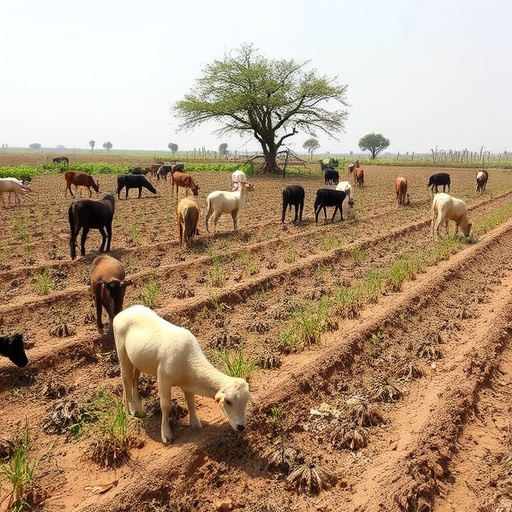
The vineyards in Sonoita, AZ, have long been recognized for their commitment to sustainability, and among their eco-conscious practices, dry farming stands out as a natural approach to viticulture. This method, in contrast to traditional irrigation, presents a unique challenge as it relies on the region’s inherent climate and soil conditions. Sonoita’s hot, dry summers and well-drained, sandy soils require farmers to carefully manage water usage, ensuring the vines’ health without excessive irrigation.

Dry farming is not a new concept, but its resurgence in the modern wine industry reflects a growing awareness of water conservation and the environment. In this region, where water resources can be scarce, it is a testament to the resilience and adaptability of both farmer and vine. For instance, some Sonoita vineyards have implemented strategic planting techniques, such as using drought-resistant rootstock and carefully selected grape varieties that thrive in these conditions, further enhancing their dry farming success. According to local data, these practices have led to significant water savings, with some vineyards reducing their water usage by up to 50% compared to irrigated neighbors.

The challenge of dry farming lies in balancing the need for water with the desire to minimize intervention. Farmers must closely monitor soil moisture levels, relying on a deep understanding of their land. This often involves using advanced technology, such as soil moisture sensors, to make informed decisions about when and how much to water. By embracing this natural approach, Sonoita’s vineyards not only contribute to sustainable practices but also produce unique, distinctive wines that reflect the character of the land. Expert advice for those considering dry farming suggests a focus on building healthy, robust vines through proper selection and preparation of the vineyard site, ensuring a robust and resilient ecosystem.

Soils, Sun, and Savvy Farmers in Sonoita Region
vineyards in sonoita az

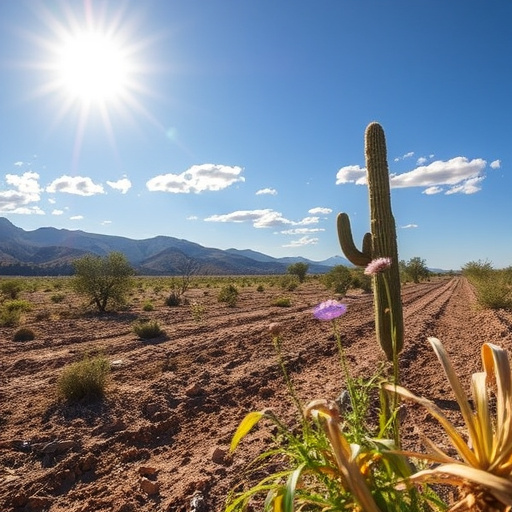
The vineyards in Sonoita, Arizona, stand as a testament to sustainable agriculture and the region’s unique ecological conditions. Here, farmers have embraced dry farming techniques, harnessing the power of nature rather than relying heavily on irrigation. This approach is particularly suited to the area’s arid climate, where soils and sun play pivotal roles in shaping successful vineyards. The Sonoita region boasts well-drained, sandy soils that are naturally low in water retention, making them ideal for dry-farming practices. These soils encourage deep root growth in vines, allowing them to access water sources deeper within the earth during periods of drought.

Sun exposure is another critical factor. The area’s abundant sunshine provides the necessary energy for photosynthesis and contributes to the development of complex flavors in the grapes. Farmers carefully consider row orientation and canopy management to optimize sun exposure while minimizing heat stress on the vines. This balance ensures that the vineyards thrive without excessive water inputs, fostering a harmonious relationship with the environment. For instance, some successful Sonoita dry-farmed vineyards have implemented strategic pruning techniques, allowing air circulation and sunlight penetration, which reduces the need for irrigation while promoting healthier plant growth.

Expert farmers in this region continually refine their practices to adapt to changing weather patterns and market demands. They monitor soil health through regular testing and employ cover cropping to improve soil structure and fertility naturally. By understanding the unique interplay between soils, sun, and vines, these savvy farmers produce high-quality grapes that contribute to the distinctive character of Sonoita wines. Their dedication to eco-conscious vineyard management offers valuable insights for sustainable viticulture worldwide, demonstrating that natural processes can yield exceptional results.

Benefits and Impact on Local Ecosystem: A Success Story
vineyards in sonoita az

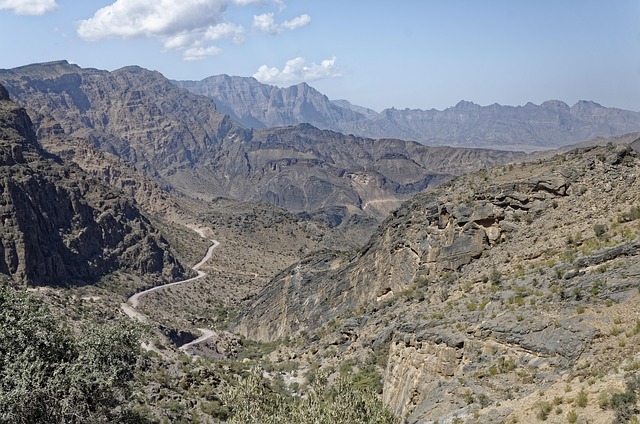
The vineyards of Sonoita, Arizona, have become a beacon for eco-conscious wine production, showcasing the transformative power of dry farming practices. This region, known for its arid climate, has embraced a sustainable approach that not only minimizes water usage but also enhances the local ecosystem. By forgoing traditional irrigation, these vineyards are revitalizing the soil, encouraging biodiversity, and setting an example for the industry as a whole.

The benefits are multifaceted. Dry farming allows the vines to develop deep root systems, making them more resilient during periods of drought. This method conserves water resources, crucial in arid environments, while reducing the vine’s dependence on artificial means. Moreover, it promotes soil health by encouraging beneficial microorganisms and improving organic matter retention. As a result, these vineyards contribute to a thriving local ecosystem, supporting a diverse range of plant and animal life. For instance, some farmers report increased bird and insect populations, indicating a healthier, more balanced environment.

Sonoita’s success story offers valuable insights for other wine-producing regions facing similar challenges. By embracing dry farming, these vineyards not only mitigate water scarcity but also demonstrate that ecological preservation can go hand in hand with quality wine production. This approach encourages a harmonious relationship between agriculture and the surrounding landscape, ensuring the long-term viability of both. As consumer awareness of environmental issues grows, the Sonoita model presents a compelling strategy for vineyards worldwide to embrace sustainability while cultivating exceptional wines.

The article offers a comprehensive insight into the innovative practices of eco-conscious vineyards in the Sonoita region, showcasing a successful marriage of natural farming and viticulture. Key takeaways include the challenges and benefits of dry farming as a sustainable approach, highlighting the region’s unique soil and sun conditions that foster thriving vineyards in sonoita az naturally. Farmers’ adaptability and knowledge contribute to a positive impact on the local ecosystem, demonstrating a promising model for the industry. By embracing these practices, viticulturists can promote environmental stewardship while producing high-quality wines, ensuring a prosperous and ecologically sound future for both agriculture and the natural landscape.

Recent Posts

  • Top Emergency Roof Repair Tucson & Longlasting Installation Tips
  • Avoid Unexpected Costs: Garage Door Fix Tips & Tricks
  • Fix Broken Garage Tracks & Rollers Same Day: Common Causes & Solutions
  • Child-Proof Your Garage: Garage Door Safety Tips for Families
  • Mastering Repairs vs Replacement for El Encanto Garage Doors

Recent Comments

No comments to show.

Archives

  • August 2026
  • July 2026
  • June 2026
  • May 2026
  • April 2026
  • March 2026
  • February 2026
  • January 2026
  • December 2025
  • November 2025
  • October 2025
  • September 2025
  • August 2025
  • July 2025
  • June 2025
  • May 2025
  • April 2025
  • March 2025
  • February 2025
  • January 2025
  • December 2024
  • November 2024
  • October 2024
  • September 2024

Categories

  • Affordable Roofing Oro Valley
  • affordable roofing tucson
  • Appliance Repair Austin
  • Arizona Travel Tips
  • Austin Real Estate
  • Austin Travel Tips
  • Austin TX
  • average lifespan of a residential garage door opener
  • benefits of preventative garage door maintenance for homeowners
  • best roofers tucson
  • Best Roofing Contractors in Oro Valley
  • best time of year to schedule garage door maintenance in AZ
  • Birding Southern Arizona
  • Choosing Roofing Materials
  • choosing the right garage door for energy efficiency in Arizona
  • commercial roofing tucson
  • common causes of broken garage door tracks and rollers
  • difference between torsion and extension springs explained
  • emergency garage door repair near me in Tucson AZ
  • Emergency Roof Repair Oro Valley
  • emergency roof repair tucson
  • Energy-Efficient Roofing Options
  • Flat Roof Services Oro Valley
  • Foam Roofing Oro Valley
  • Garage Door Repair
  • garage door safety tips for families with children
  • GE Appliance Repair Austin
  • Hail Damage Roof Inspection Oro Valley
  • Handyman Tips
  • Home Renovations
  • Home Repair And Maintenance
  • Home Repairs
  • Home Security
  • how dust and heat affect garage doors in the desert climate
  • how much does garage door spring replacement cost in Tucson
  • how to choose between single and double garage door springs
  • how to lubricate garage door rollers and hinges safely
  • Insurance Claims for Roof Damage Oro Valley
  • Kitchen Renovations
  • Lawn Care And Landscaping
  • LG Appliance Repair Austin
  • Licensed Roofers Oro Valley
  • licensed roofers tucson
  • Major Appliances
  • Metal Roofing Oro Valley
  • New Mexico Travel Tips
  • Pest Control Services
  • pest control services Catalina Foothills
  • pest control services Marana
  • pest control services Oro Valley
  • pest control services Tucson
  • pest control services Vail AZ
  • Pest Control Tucson
  • quick garage door repair in Tucson
  • Refrigerator Repair
  • Residential Roofing Oro Valley
  • residential roofing tucson
  • roach exterminator Catalina Foothills
  • roach exterminator Marana
  • roach exterminator Oro Valley
  • roach exterminator Tucson
  • roach exterminator Vail AZ
  • rodent control Catalina Foothills
  • rodent control Marana
  • rodent control Oro Valley
  • rodent control Tucson
  • rodent control Vail AZ
  • Roof Inspection Services Oro Valley
  • roof inspection tucson
  • Roof Installation Process Oro Valley
  • Roof Leak Detection Oro Valley
  • roof maintenance tucson
  • Roof Repair in Oro Valley
  • Roof Repair Tucson
  • roof repair tucson arizona
  • Roof Replacement Oro Valley
  • roof replacement tucson
  • Roof Ventilation Solutions Oro Valley
  • Roofing
  • roofing contractors tucson
  • Roofing Estimates and Quotes Oro Valley
  • Roofing Oro Valley
  • roofing services tucson az
  • Roofing Warranties Oro Valley
  • RV Travel Tips
  • RVing for Beginners
  • scorpion control Catalina Foothills
  • scorpion control Marana
  • scorpion control Oro Valley
  • scorpion control Tucson
  • scorpion control Vail AZ
  • Shingle Roofing Oro Valley
  • signs you need a new garage door opener
  • Solar Energy
  • Solar Power
  • Solar-Ready Roofing Systems Oro Valley
  • sonoita az wine
  • sonoita az wine tasting
  • sonoita vineyards
  • sonoita wine country
  • sonoita wine tasting
  • sonoita wine tasting tours
  • sonoita wine tour shuttle
  • sonoita wine tours
  • sonoita wine trail
  • southern arizona wine tours
  • southern arizona wineries
  • southern arizona winery
  • southern az wineries
  • Storm Damage Roof Repair Oro Valley
  • termite control Catalina Foothills
  • termite control Marana
  • termite control Oro Valley
  • termite control Tucson
  • termite control Vail AZ
  • Texas Travel Tips
  • Tile Roofing Oro Valley
  • tips for avoiding surprise garage door repair costs
  • trusted garage door service in Tucson
  • Tucson AZ
  • Tucson Garage Door Repair
  • Tucson Garage Doors
  • Tucson Pest Control
  • Tucson Real Estate
  • tucson roof leak repair
  • tucson roofing companies
  • Tucson Roofing Contractors
  • tucson roofing cost
  • Tucson Travel Tips
  • vineyards in sonoita
  • vineyards in sonoita az
  • vineyards sonoita az
  • when to replace vs repair a garage door panel
  • why is my garage door making grinding noises
  • why same-day garage door repair service matters
  • wine tasting in sonoita az
  • wine tasting oro valley
  • wine tasting sonoita
  • wine tour sonoita
  • wine tours sonoita
  • wine tours southern arizona
  • wineries in southern arizona
  • wineries near sonoita az
  • winery sonoita az
©2026 | Design: Newspaperly WordPress Theme