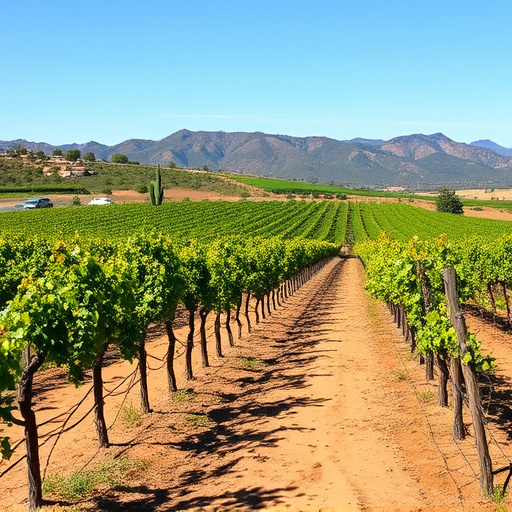
Sonoita, Arizona's vineyards showcase diverse microclimates and soil compositions, resulting in a vibrant tapestry of wine characteristics. Higher elevations produce acidic, citrusy wines, while lower areas offer richer fruit flavors. Warmer regions excel at full-bodied reds, cooler spots feature delicate varietals like Viognier and Sauvignon Blanc, highlighting the intricate interplay between vineyards in Sonoita, AZ and viticulture.
In the heart of Arizona, the Sonoita region stands out for its exceptional vineyards and diverse microclimates. This unique geographical feature allows for a fascinating range of wine styles, from cool-climate varietals to heat-loving grapes. Exploring Sonoita's microclimates offers a deep dive into the art of viticulture, where soil types, elevation, and sun exposure create distinct flavors from neighboring vineyards. Prepare to uncover the secrets behind these remarkable wines in this comprehensive guide to the vineyards in Sonoita, AZ.
- Exploring Sonoita's Diverse Microclimates
- Vineyard Comparisons: Soil to Bottle
- Tasting Notes: Unveiling Regional Differences
Exploring Sonoita's Diverse Microclimates
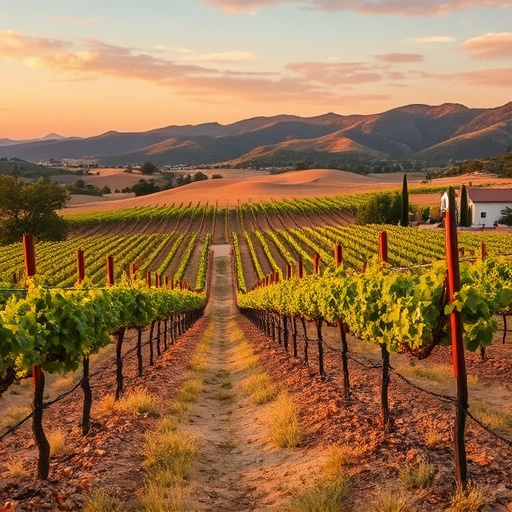
Sonoita, Arizona, is renowned for its thriving vineyard scene, but what sets it apart is the region's remarkable microclimates. This small town and its surrounding areas offer a unique opportunity to taste the distinct characteristics of wine grown in diverse conditions. The climate varies across vineyards, influenced by factors like elevation, nearby mountain ranges, and the desert heat.
At higher elevations, temperatures are cooler, allowing for slower ripening of grapes and producing wines with vibrant acidity. In contrast, lower-lying areas experience warmer days and nights, resulting in fuller-bodied wines. These variations create a fascinating range of flavors and aromas, making Sonoita's microclimates a game-changer for wine enthusiasts. Exploring these diverse conditions offers a glimpse into the art of viticulture and showcases the incredible variety that can be found among neighboring vineyards in this captivating Arizona region.
Vineyard Comparisons: Soil to Bottle
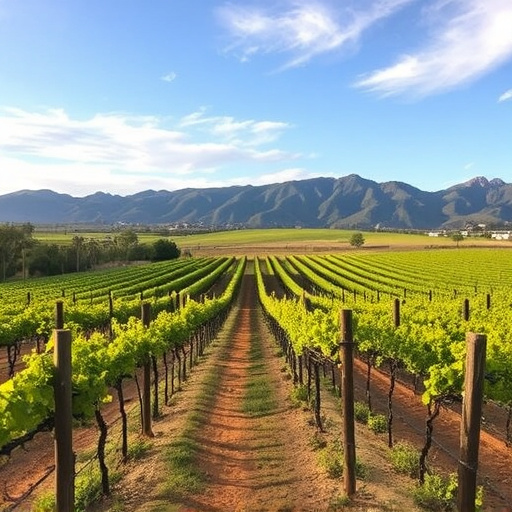
The journey from soil to bottle is a complex dance for each vineyard, and it's this very process that sets apart microclimate wines within neighboring Sonoita region vineyards in Arizona. Soils play a pivotal role in shaping the flavor profile of grapes. For instance, volcanic soils rich in minerals can impart a distinct zing to red wines, while well-draining sandy loams promote balanced acidity in whites. Each vineyard's unique soil composition contributes to the terroir—the sum of environmental factors—which influences everything from grape growth to harvest times.
As grapes transform from verdant vines to bottles of wine, the microclimates within these vineyards come into play. Shifts in temperature, sunlight exposure, and wind patterns can create subtle differences that result in distinct wine characteristics. A few feet away, a vineyard might experience slightly cooler breezes, leading to slower ripening and preserving delicate flavors. These variations, often imperceptible to the untrained eye, are what make comparisons between neighboring vineyards so intriguing—each bottle tells a story of its specific microclimate and soil interplay, creating a vibrant tapestry of Sonoita wines.
Tasting Notes: Unveiling Regional Differences
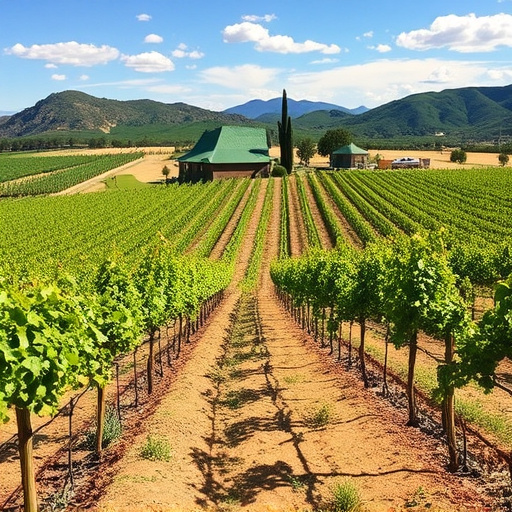
Tasting Notes: Unveiling Regional Differences
When comparing microclimate wines from neighboring vineyards in Sonoita, AZ, one quickly realizes that regional nuances play a significant role in shaping each wine's unique character. The subtle yet distinct variations in terroir—from elevation and aspect to soil composition—translate into varied flavor profiles. For instance, wines from higher elevations often exhibit brighter acidity and more intense citrus notes, while those from lower-lying areas may present richer, fruitier aromas with hints of apricot or peach.
Each vineyard's microclimate contributes to the wine's complexity. The warmer, sunnier spots produce fuller-bodied reds with darker fruits, such as blackberry and plum, while cooler regions favor lighter, more delicate varietals like Viognier or Sauvignon Blanc. These regional differences not only make for a fascinating exploration of wine styles but also highlight the art and science behind viticulture in the Sonoita region.
The vineyards of Sonoita, Arizona, offer a captivating journey through diverse microclimates, each contributing unique characteristics to their wines. By comparing soil types, vineyard practices, and flavor profiles, we uncover the distinct regional differences that make Sonoita's wines truly special. Exploring these microclimates allows wine enthusiasts to appreciate the art of terroir and the remarkable variety offered by these neighboring vineyards in the heart of Arizona.