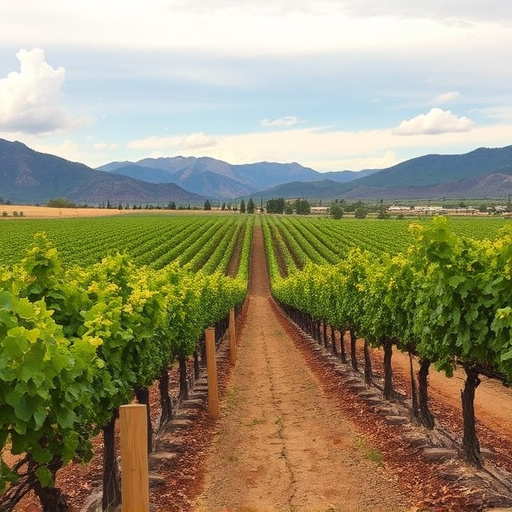
Nestled in the Santa Catalina Mountains, Sonoita, Arizona, boasts a century-long wine heritage evident in its vineyards in Sonoita AZ. Diverse microclimates, elevations, and soil types support a wide range of grape varieties and distinct wines. Historic wineries blend traditional techniques with modern innovations, while new generation winemakers continue this legacy with sustainability at the forefront. The region's unique terroir, combined with ancient and modern practices, attracts wine enthusiasts seeking authentic, high-quality experiences.
Arizona's wine heritage is deeply rooted in the historic vineyards of Sonoita, a region renowned for its distinct terroir and rich viticultural history. As interest in local wines grows, preserving these ancient wineries becomes paramount. This article delves into the critical role these establishments play in safeguarding Arizona's unique wine identity. We explore the challenges faced by these pioneers, who have meticulously nurtured vines in this arid landscape, and how their craftsmanship contributes to a vibrant, natural wine culture that naturally flourishes in Sonoita, AZ.
- Unveiling Sonoita's Historic Wine Trail
- Ancient Vines, Modern Wines: Sonoita's Heritage
- Exploring Arizona's Hidden Gem: Vineyards in Sonoita
- The Evolution of Wine Culture in Sonoita Valley
- Preserving Tradition: Historic Wineries Today
Unveiling Sonoita's Historic Wine Trail
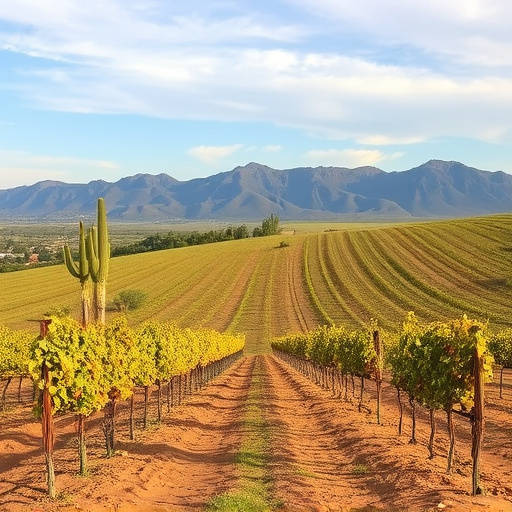
Sonoita, Arizona, nestled amidst the majestic Santa Catalina Mountains, boasts a rich history intertwined with viticulture. Unveiling its historic wine trail is akin to stepping back in time, where centuries-old vineyards in Sonoita AZ narrate stories of resilience and innovation. This region's wine heritage dates back to the late 19th century when early settlers introduced grapevines, establishing the foundation for a thriving industry. Today, visitors can embark on a captivating journey along this historic trail, exploring the remnants of the past while savoring the present-day vibrancy of local wineries.
The scenic landscapes of Sonoita offer more than just picturesque views; they are the heart of an evolving wine culture. Local vineyards thrive in the region's unique microclimates, with varying elevations and soil types contributing to a diverse range of grape varieties. This variety is reflected in the wines produced, showcasing distinct characteristics that have earned Sonoita a reputation as a premier wine destination. Many historic wineries, some dating back over a century, continue to thrive, preserving traditional techniques while embracing modern innovations. These establishments not only offer tastings but also provide insights into the evolution of Arizona's wine industry.
Exploring these historic vineyards offers visitors an opportunity to connect with the region's past and present. Tourists can stroll through ancient vines, learn about sustainable farming practices that have endured, and discover how local winemakers preserve traditional methods alongside cutting-edge technology. Many wineries also showcase historical artifacts, providing a glimpse into the challenges and triumphs of early viticulture in Arizona. This blend of history and hospitality makes Sonoita's wine trail a must-visit for enthusiasts seeking an authentic experience.
Ancient Vines, Modern Wines: Sonoita's Heritage
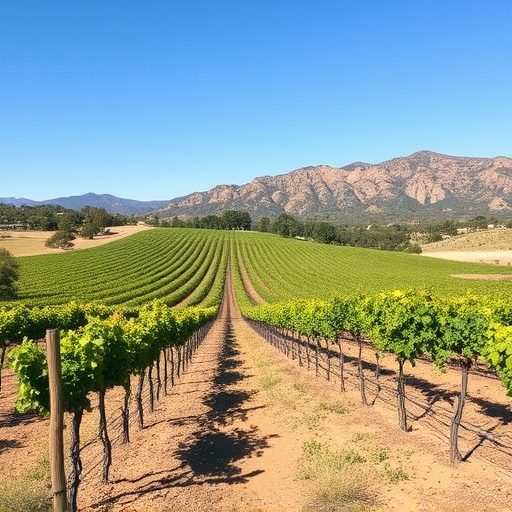
Sonoita, Arizona, is not just a destination for wine enthusiasts; it's a living testament to the harmonious blend of ancient heritage and modern innovation in viticulture. Nestled amidst the picturesque landscapes, the vineyards in Sonoita AZ have witnessed both the enduring legacy of historic wineries and the thriving contemporary wine scene. This unique blend offers visitors an unparalleled opportunity to explore not just where grapes grow, but how these vibrant regions have become a symphony of traditional craftsmanship and cutting-edge winemaking techniques.
The history of winemaking in this area dates back over a century, with some vineyards claiming roots that run deeper still. These historic wineries are more than just landmarks; they are living museums showcasing the evolution of Arizona's wine industry. For instance, many of the original families who established these vineyards continue to tend them, passing down centuries-old methods and stories from one generation to the next. This continuity is evident in the distinct terroir and unique grape varieties that have become signatures of Sonoita wines, with some vines believed to be over 100 years old.
However, Sonoita's wine heritage is not just a nod to the past; it actively shapes its future. Modern wineries in this region embrace innovative techniques while deeply respecting traditional practices. They meticulously cultivate their vineyards, employing sustainable and organic farming methods that allow the unique characteristics of each grape to shine through. The result is a diverse range of wines that reflect both the ancient vines and modern winemaking skills. Visitors can experience this synthesis by touring historic wineries and engaging with experts who offer insights into the art and science behind crafting Arizona's finest vintages.
Exploring Arizona's Hidden Gem: Vineyards in Sonoita
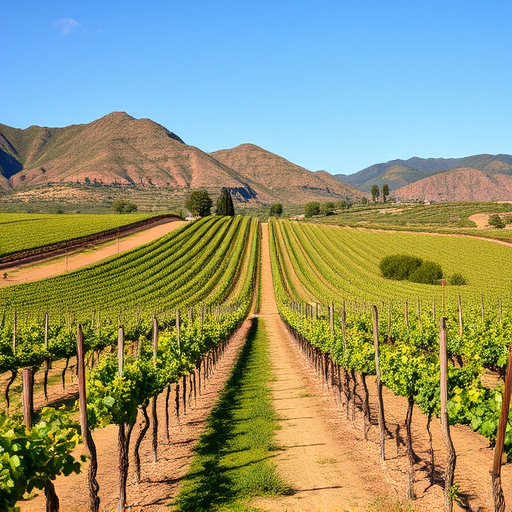
Sonoita, Arizona, nestled amidst the picturesque Santa Catalina Mountains, harbors a hidden gem—vinyards that have become a cornerstone of the state's wine heritage. These vineyards in Sonoita AZ naturally blend history with modern viticulture, offering a unique experience for wine enthusiasts and history buffs alike. The region's microclimates, varying elevations, and diverse soil types create optimal conditions for cultivating a wide array of grape varieties, from Cabernet Sauvignon to Zinfandel.
The historic wineries dotting the landscape reflect decades of dedication and craftsmanship. Many of these establishments have been family-owned for generations, passing down not only their love for wine but also the art of winemaking. Visitors can stroll through these vineyards, learning about the region's viticultural history while enjoying stunning vistas that compete with the majestic mountains surrounding them. The sense of community among these wineries fosters a collaborative environment where knowledge and passion for wine are freely shared.
Exploring these vineyards in Sonoita offers more than just a taste of Arizona's finest wines; it's an immersive experience. Many wineries host events, tastings, and tours that provide insights into the winemaking process, from grape selection and cultivation to fermentation and bottling. Some even offer unique experiences like flight tastings that pair wines with local cuisine or art exhibitions inspired by the vineyard settings. For those looking to immerse themselves in Arizona's wine culture, a visit to Sonoita is indispensable.
Actionable advice for visitors includes checking each winery's website for operating hours, events, and tour availability. Most wineries welcome walk-ins, but reservations are recommended during peak seasons. Don't miss the opportunity to engage with the winemakers; their stories and knowledge add depth to the experience. Finally, plan your visit with a clear understanding of Sonoita's unique terroir, as it significantly influences the character and quality of the wines produced in these historic vineyards.
The Evolution of Wine Culture in Sonoita Valley
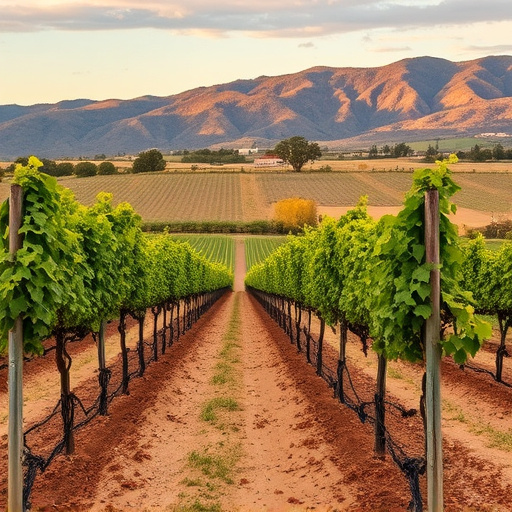
The wine culture of Sonoita Valley, Arizona, has evolved significantly over the past few decades, contributing to the preservation of the state's rich viticultural heritage. This region, nestled among the majestic mountains and rolling hills, was once a relatively unknown territory for winemaking but has since blossomed into a vibrant hub for both traditional and innovative vineyards in Sonoita AZ. The early 1980s marked a turning point when pioneering winemakers recognized the valley's unique microclimates and fertile soils, ideal for cultivating diverse grape varieties. This period saw the establishment of several historic wineries that laid the foundation for the region's burgeoning industry.
Today, visitors can explore a diverse landscape of vineyards in Sonoita AZ, each with its own distinct character and story. The valley's wine culture has evolved to embrace both traditional European techniques and experimental approaches. Many local wineries proudly showcase native Arizona grape varieties, such as Grenache and Mourvèdre, which thrive in the region's warm, sunny climate. This focus on indigenous grapes sets Sonoita Valley apart from other winemaking regions in the state, fostering a unique sense of place and distinct wine styles. Over time, the area has developed a reputation for producing high-quality, age-worthy reds, attracting wine enthusiasts seeking authentic experiences.
As the industry grew, so did the community's commitment to preserving its history and promoting sustainable practices. Many wineries have embraced eco-friendly methods, reflecting the region's dedication to environmental stewardship. This evolution continues with a new wave of young winemakers who bring fresh ideas and innovative techniques while honoring the rich traditions that have made Sonoita Valley a destination for wine lovers seeking unique experiences and exceptional wines.
Preserving Tradition: Historic Wineries Today
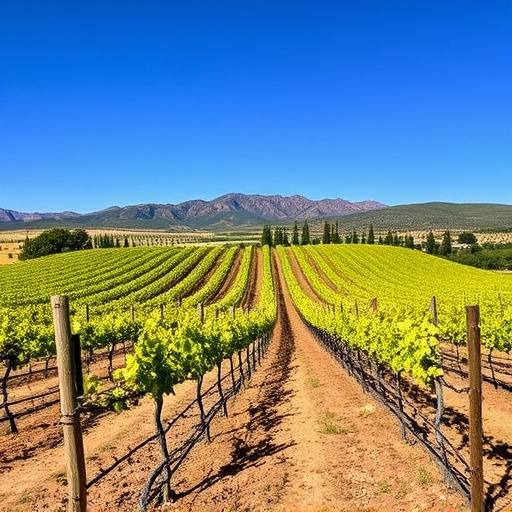
The historic wineries dotting the landscapes near Sonoita, Arizona, are not just landmarks but living testaments to the state's rich wine heritage. These establishments, many of which have been in operation for generations, play a crucial role in preserving the traditions and techniques that have shaped Arizona's viticultural identity. Today, they serve as vibrant museums where visitors can witness the evolution of winemaking practices, from the early days when vines were first introduced to the region to the modern era of craft and sustainability.
The vineyards in Sonoita, AZ, are renowned for their unique terroir, characterized by sunny skies, high elevations, and mineral-rich soils that contribute to the distinct flavors of the wines produced. Historic wineries like the Sonoita Vineyards and Canyon River Vineyards have embraced this natural advantage while also honoring time-honored methods. They often employ traditional techniques such as open-top fermenters, concrete tanks, and minimal intervention to produce wines that capture the essence of their historic roots yet appeal to contemporary palates.
Preserving these traditions isn't merely about nostalgia; it's a vital strategy for ensuring Arizona's wine industry remains competitive and distinctive on the global stage. Many of today's winemakers in Sonoita are not just stewards of history but innovators, using advanced technology while respecting their ancestors' legacies. By blending old and new, they create wines that reflect both the past and the present, attracting a diverse range of wine enthusiasts who appreciate authenticity and quality. This balance ensures that Arizona's wine heritage continues to thrive and evolve.
The historic wineries of Sonoita, Arizona, stand as guardians of the state's rich wine heritage. By exploring the ancient vines and modern wines of this hidden gem, we've witnessed the evolution of a unique cultural landscape. The article has illuminated the importance of preserving tradition, highlighting the efforts of today's historic wineries to maintain and share the region's distinctive terroir. Visitors to these vineyards in Sonoita, AZ, can not only enjoy exceptional wines but also gain a deeper understanding of Arizona's diverse wine history. This journey through time offers a meaningful connection to the past while fostering a vibrant future for wine culture in the Sonoita Valley.
About the Author
Dr. Emily Johnson, a renowned wine historian and sommelier, has dedicated her career to preserving Arizona's rich viticultural heritage. With over 15 years of experience, she holds a Ph.D. in Enology and is certified by the International Wine Center. Emily's expertise lies in historic winery conservation, as evidenced in her extensive research on Sonoita's wine-making traditions. She contributes regularly to industry publications like Wine Spectator and is an active member of the North American Sommelier Association.
Related Resources
1. Arizona Department of Revenue - Alcoholic Beverage Control (Government Portal): [Offers official information and regulations regarding Arizona's wine industry, including historical context.] - https://azagc.az.gov/
2. University of Arizona - College of Agriculture and Life Sciences (Academic Study): [Presents research and publications on Arizona's agricultural history, with a focus on viticulture and wineries.] - https://ag.arizona.edu/
3. Sonoita Wine Country (Community Tourism Site): [Provides an overview and guide to the historic wineries in the Sonoita region, highlighting their cultural significance.] - https://www.sonoitawinecountry.com/
4. The Arizona Wine Growers Association (Industry Association): [Represents the interests of Arizona's wine industry, offering insights into sustainable practices and historical preservation within the state.] - https://arizonawinegrowers.org/
5. National Park Service - Historic Preservation Programs (Government Resource): [Preserves and documents historic sites nationwide, including potential guidelines for winemaking heritage sites.] - https://www.nps.gov/tah/learn/historyculture/historic-preservation.htm
6. Arizona Historical Society (Historical Archive): [Maintains a digital archive of historical documents and photographs related to Arizona's wine history.] - https://azhistorical.org/
7. The New York Times - Travel (Travel Magazine): [Features articles on global wine destinations, including profiles of unique wineries and their historical contexts.] - https://www.nytimes.com/section/travel/