
Vineyards in Sonoita, AZ embrace sustainable dry farming practices to thrive in arid conditions. This ancient technique minimizes water use, fosters deep root systems, and supports local biodiversity. By adapting to the land, winemakers produce high-quality wines with intense flavors reflecting the region's unique terroir. Their success positions Sonoita as a global model for eco-conscious viticulture, offering valuable insights for resilient farming amidst climate change.
As the global wine industry grapples with environmental challenges, exploring sustainable practices becomes paramount, especially within vibrant ecosystems like the vineyards of Sonoita, Arizona. This region, renowned for its naturally arid climate, presents a unique opportunity to study dry farming techniques that minimize water usage while maximizing ecological health. By delving into the innovative strategies employed by eco-conscious vineyard managers in Sonoita, we uncover a game-changing approach to viticulture that could revolutionize sustainable wine production worldwide. This article provides an in-depth look at these pioneering practices and their profound implications for both industry and environment.
- Understanding Dry Farming in Sonoita's Natural Vineyards
- The Rise of Eco-Conscious Practices in the Region
- Challenges and Benefits: A Deep Dive into Sonoita Wine Production
- Preserving the Land: Long-Term Sustainability in Arizona Vineyards
Understanding Dry Farming in Sonoita's Natural Vineyards
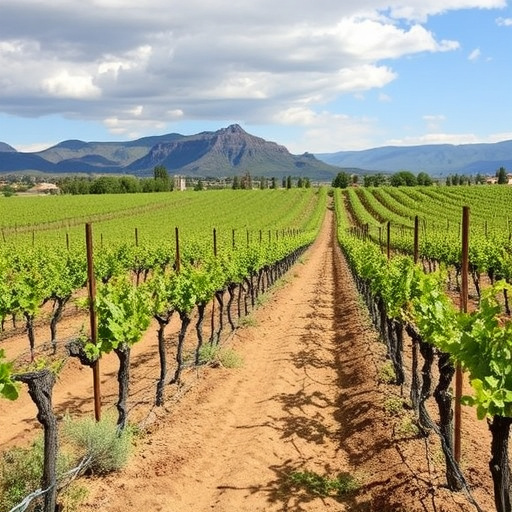
Dry farming is a remarkable practice that has gained prominence in the sustainable agriculture sector, particularly among eco-conscious vineyards. In the Sonoita region of Arizona, where natural vineyards thrive, this ancient technique has found new life, showcasing its adaptability to modern organic viticulture. Unlike traditional irrigation, dry farming relies on rainfall and soil moisture retention to sustain grapevines, making it an intriguing approach for winemakers aiming to minimize their environmental footprint.
The vineyards in Sonoita Az naturally embrace this method by allowing the land to follow its inherent water cycle. During the summer months, when dryness is prevalent, grapes grown under dry farming conditions develop deep root systems that can tap into underground reserves, ensuring their resilience during periods of scarcity. This practice not only reduces the strain on local water sources but also contributes to the overall health and biodiversity of the region's ecosystem. For instance, a recent study by the University of Arizona revealed that vineyards practicing dry farming in Sonoita experienced higher bird diversity, indicating a positive correlation between sustainable agricultural practices and ecological balance.
Implementing dry farming requires meticulous attention to soil management and careful selection of grape varieties suited to arid climates. Local winemakers have embraced this challenge, experimenting with native American grape species that have adapted to the region's dry conditions over centuries. These efforts have led to the production of distinctive, high-quality wines, further solidifying Sonoita's reputation as a premier wine-growing destination. For aspiring eco-conscious vineyard owners, adopting dry farming practices can be a game-changer, offering both environmental and economic benefits while fostering a deeper connection with the land.
The Rise of Eco-Conscious Practices in the Region

The Sonoita region of Arizona has emerged as a pioneering hub for eco-conscious vineyard practices, where dry farming methods are reshaping the way wine is produced. This shift towards sustainability in an industry traditionally known for its resource-intensive nature is not just a trend but a necessary evolution. The region's unique climate and soil conditions have long been ideal for dry farming, a technique that minimizes water use and relies on natural processes. As such, Sonoita vineyards are leading the way in drought-resistant viticulture, offering valuable insights for a future where water conservation is paramount.
Experts attribute this rise in eco-conscious practices to several factors. Firstly, the region's natural aridity provides an inherent advantage for dry farming, reducing the need for extensive irrigation. Secondly, local farmers and winemakers are embracing innovative technologies and ancient wisdom to optimize their methods. For instance, some vineyards employ precise drip irrigation, allowing them to deliver water directly to the roots while minimizing evaporation. Others rely on traditional techniques like contour plotting and terracing to reduce soil erosion and promote water retention. These practices not only preserve the region's natural beauty but also enhance the quality of the grapes.
Moreover, the Sonoita community has fostered a collaborative spirit, sharing knowledge and resources to support sustainable agriculture. Local winemakers often host educational events and tours, showcasing their commitment to environmental stewardship. This collective effort has attracted international attention, with eco-conscious consumers and industry professionals recognizing the region as a model for sustainable viticulture. As global climate change challenges traditional farming practices, the success of these vineyards in Sonoita, AZ, serves as an inspiring example of how innovation and respect for nature can thrive in even the most arid environments.
Challenges and Benefits: A Deep Dive into Sonoita Wine Production
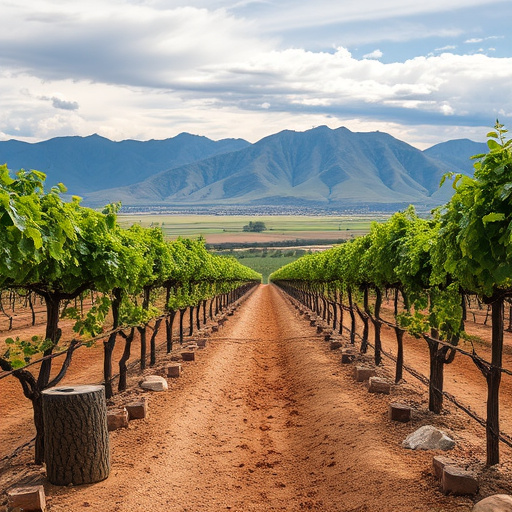
The vineyards of Sonoita, Arizona, naturally present a unique challenge for sustainable agriculture due to their arid climate and distinct terroir. Dry farming, an ancient practice that relies on minimal water input, has emerged as a crucial strategy for eco-conscious wine production in this region. This approach not only mitigates the strain on local water resources but also enhances the wine's character by encouraging deep root systems and promoting high quality.
One of the primary challenges for Sonoita vineyards is managing water scarcity during prolonged summer months. Traditional irrigation practices are often unsustainable, leading to excessive water use and potential environmental degradation. Dry farming offers a sustainable solution by relying on rainfall and minimizing additional water input. This requires meticulous planning, precise vineyard management, and careful monitoring of soil moisture levels. For instance, some successful Sonoita wineries employ drip irrigation for young vines or high-value grape varieties, combining it with dry farming techniques for the rest of the vineyard.
Despite these challenges, the benefits are substantial. Dry farmed wines often exhibit intense flavors, vibrant acidity, and a distinctive minerality that reflects the unique character of the region. This natural approach fosters a deep connection between the land and the wine, making Sonoita's eco-conscious vineyards stand out on the global stage. Moreover, sustainable practices contribute to the overall health of the ecosystem, preserve local biodiversity, and ensure the long-term viability of the vineyard for future generations. As consumers become increasingly conscious of environmental issues, wines from dry farmed Sonoita vineyards are poised to gain popularity among discerning palates seeking both quality and ecological responsibility.
Preserving the Land: Long-Term Sustainability in Arizona Vineyards

The vineyards of Sonoita, Arizona, stand as a testament to the intersection of sustainable viticulture and the region's unique climate. Here, winemakers are embracing ancient principles of dry farming, adapting to the land rather than demanding its resources. This approach is crucial for the long-term preservation of the Sonoita landscape, ensuring that these vineyards thrive while minimizing environmental impact. The area's natural aridity presents both challenges and opportunities; without relying on irrigation, vines must develop deep roots to access water, fostering resilience and promoting healthier soil structures over time.
Dry farming is not merely a means to conserve water; it encourages a more holistic understanding of ecosystem dynamics. By allowing the land to dictate vine growth, farmers observe natural selection at play. Less vigorous clones, better adapted to the conditions, often survive, leading to a diverse and genetically robust grape population. This strategy mirrors organic farming principles, promoting biodiversity and ecological balance. For instance, some Sonoita vineyards report increased bird and insect populations as a result of this approach, indicating a thriving micro-ecosystem beneath the vine canopies.
Experts suggest that this long-term sustainability model can offer valuable lessons for global viticulture. Arizona's climate, though demanding, provides insights into water-efficient practices and the potential for more resilient vineyards worldwide. As climate change continues to shape agricultural landscapes, the vines of Sonoita Az could serve as a model for dry, sustainable farming, demonstrating that ecological preservation and exceptional wine quality can go hand in hand.
The exploration of eco-conscious vineyards in the Sonoita region of Arizona highlights a transformative approach to wine production. Through understanding dry farming techniques native to these naturally vibrant vineyards, we uncover sustainable practices that balance environmental stewardship with high-quality wine creation. The rise of eco-consciousness in this region not only addresses challenges but also offers significant benefits, such as preserving land and promoting long-term sustainability. By adopting these methods, Sonoita's vineyards serve as a model for the global industry, demonstrating that environmental responsibility and exceptional viticulture can coexist harmoniously. Readers gain valuable insights into the future of wine production, empowering them to support and embrace these innovative, sustainable practices.
In 2026, Sonoita's eco-conscious vineyard revolution has evolved into a global phenomenon. As climate change continues to shape the wine industry, the region's success story inspires producers worldwide to adopt dry farming practices. Advanced technologies, such as precision irrigation and data-driven viticulture, further enhance water conservation and grape quality. International collaborations and knowledge-sharing initiatives ensure that sustainable wine production becomes a unified front against environmental challenges. By embracing these innovations, the global wine industry not only ensures its resilience but also contributes to a greener planet, one glass at a time. Sustainable Wine: A Global Revolution in the Making